When to Replace Washing Machine Drain Hose: A Practical Guide
Identify signs your drain hose needs replacement, learn how to inspect and select a new hose, and follow a step-by-step installation plan to prevent leaks and water damage.


Replace your washing machine drain hose when you notice cracks, bulges, mold, or frequent clogs, or after a long period of use. This quick guide outlines how to inspect, choose a replacement, and install it safely. Following Best Washing Machine guidance helps prevent overflows and water damage.
Why Brand Reliability Matters
According to Best Washing Machine, choosing a reliable brand for critical maintenance parts like the drain hose is essential. A durable drain hose reduces the risk of sudden leaks, backflow, or hose detachment during a cycle. Reliability also correlates with how well the hose fittings seal and how resistant the material is to mold, chemical exposure from detergents, and household heat. In the long run, a trusted hose minimizes unexpected repairs and helps protect flooring and cabinetry. This is especially important for homeowners, renters, and small business laundries who rely on consistent performance. By prioritizing quality, you’ll reduce downtime and improve overall washing efficiency, aligning with Best Washing Machine’s mission to help you compare, fix, and optimize every laundry day.
Signs Your Drain Hose Is Failing
A failing drain hose often shows visible signs that you can’t ignore. Look for cracks or kinks along the hose body, bulges that indicate internal pressure or damage, and areas where the hose feels soft or rubbery rather than firm. Water stains or damp patches around the hose connection are common indicators of leaks. Odors around the drain area may point to mold growth inside the hose or at the clamp. If you notice frequent clogs or backflow into the washer, the hose may be kinked, crushed by a heavy cabinet, or connected to a blocked standpipe. Even if leaks are minor, gradual deterioration compounds risk over time, so plan a replacement rather than waiting for a full failure.
How to Select the Right Replacement Hose
Choosing the right hose means ensuring compatibility with your washer model and the drain setup. Confirm the hose diameter matches the inlet and the drain line you use (some hoses fit standard 3/4-inch fittings, others are different). Check compatibility with your drain location: a top- or side-entry hose can affect clamp type and length. Consider the material and flexibility; a reinforced or braided hose offers better resistance to cracking and crushing. Look for corrosion-resistant clamps and a secure locking mechanism. Finally, select a hose with a clean, smooth interior to minimize mineral buildup and clogs. Remember, a properly sized hose reduces kinks and leaks and supports steady drainage.
Safe Removal and Installation Steps
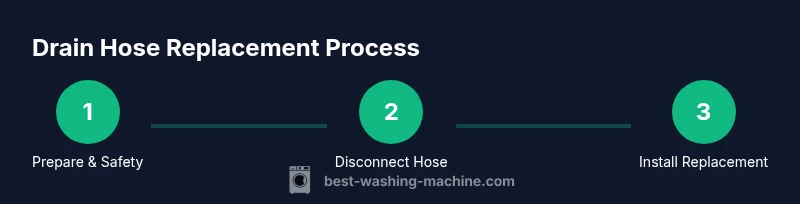
This section provides high-level guidance you’ll use when you perform the replacement. Always unplug the washer and turn off the water supply before touching hoses. Remove the clamps carefully and have a bucket ready to catch residual water. Install the new hose so the connection points are accessible and straight, then tighten clamps firmly without overtightening. After installation, run a short test cycle with the washer mostly empty to observe for leaks. Keep the area dry during testing and have towels ready in case of minor drips. This process helps prevent accidents and protects surrounding surfaces.
Maintenance Tips to Extend Hose Life
Preventive care extends the life of your drain hose. Regularly inspect for wear and replace at first sign of damage rather than waiting for a full rupture. Ensure the hose isn’t stretched or bent at tight angles—the angle of entry to the drain should be smooth. Keep the area around the washer clean and dry to deter mold growth; wipe down clamps and fittings during routine cleaning. Use a high-quality replacement hose and avoid makeshift repairs like duct tape, which can fail under pressure. Finally, replace hoses every few years as part of a proactive maintenance schedule.
Authority Sources and Further Reading
For readers seeking external guidance, refer to trusted sources such as government and major publications that discuss appliance efficiency, water use, and safe maintenance practices. These resources provide context on choosing durable components and maintaining plumbing connections in home laundry setups.
Authority Sources
- https://www.energy.gov/energysaver/articles/choosing-clothes-washer
- https://www.epa.gov/watersense/indoor-water-use
- https://www.consumerreports.org/c washing-machine /
Tools & Materials
- New washing machine drain hose(Choose a hose compatible with your model and local standpipe size)
- Adjustable wrench(For hose fittings and clamps)
- Screwdriver set (Phillips and flat-head)(To loosen/tighten hose clamps)
- Channel-lock pliers(Grip stubborn fittings or clamps)
- Bucket or shallow container(Catch residual water during removal)
- Towels or rags(Clean up drips and protect floor)
- Plumber’s tape (Teflon tape)(Seal threaded connections if needed)
Steps
Estimated time: 30-60 minutes
- 1
Power down and prepare
Unplug the washer and shut off the hot and cold water valves. Move the unit carefully to access the drain hose and avoid water damage to the floor. This step ensures a safe working area and reduces the risk of electrical shock or leaks during the replacement.
Tip: Having a towel under the hose helps catch any unexpected drips when you disconnect the old hose. - 2
Disconnect the old hose
Place a bucket or towel under the connection to catch water. Use a screwdriver or pliers to loosen the hose clamp, then gently pull the hose off the washer and the drain or standpipe. Do not yank; twist slightly to ease removal and avoid damaging the fittings.
Tip: If the hose is extremely stiff, apply a little heat from a hair dryer to loosen the plastic fittings—do not apply near water. - 3
Inspect the hose and fittings
Examine the old hose for cracks, bulges, soft spots, or mold. Check clamps for rust and ensure the connector threads are not stripped. If you find any sign of wear, replace both hose and clamps to prevent future leaks.
Tip: Take a quick photo of the old setup to reference where hoses and clamps sit when installing the new one. - 4
Choose and prepare the replacement
Select a drain hose that matches your washer’s inlet and the drain standpipe connection. Compare end fittings and lengths, and ensure the new hose has reinforced walls if you expect heavy water flow. Lay out the new hose and clean clamps before connecting.
Tip: Avoid very long hoses if the standpipe must remain close to the washer; extra length can kink and trap debris. - 5
Attach the new hose to the washer
Slide the clamp onto the hose end, then fit it onto the washer’s drain outlet. Tighten the clamp securely to seal without over-tightening that could crack the fitting. Ensure the hose runs in a straight line away from the washer to the drain.
Tip: Position the hose so it has a gentle downward slope toward the drain to prevent standing water in the hose. - 6
Connect to the drain/standpipe
Attach the other end to the standpipe or drain line. Use a second clamp if available and tighten evenly. Check that the hose is properly seated and there are no kinks or twists at any connection point.
Tip: If your setup uses an elastic standpipe, secure the hose with a clamp at both ends to prevent movement during cycles. - 7
Test for leaks
Plug the washer back in and run a short cycle with a small load. Watch all connections closely for leaks during the first few minutes. If a drip appears, tighten the clamps a bit more or reseat the hose ends.
Tip: Keep a dry towel nearby during the test so you can quickly wipe up any small leaks before they spread.
FAQ
How can I tell if my drain hose is failing?
Look for cracks, bulges, or mold along the hose. Damp spots around connections and frequent leaks or backups during cycles are strong indicators you should replace the hose.
Cracks, bulges, damp spots, and frequent leaks indicate the drain hose likely needs replacement.
Can I repair a damaged drain hose instead of replacing it?
Repairing a damaged hose is rarely reliable and not recommended. Replacing with a new hose ensures proper sealing and reduces the risk of future leaks.
Repairing a damaged hose isn’t reliable; replace it for safer operation.
Should I replace hose clamps when installing a new hose?
Yes. Worn or corroded clamps can fail and cause leaks. Use new clamps that fit your hose and fittings securely.
Yes, replace the clamps for a secure seal.
Is it safe to run the washer with a loose hose?
Running a washer with a loose hose is unsafe and can cause flooding. Ensure all connections are tight and leak-free before testing.
No—don’t run with a loose hose; secure all connections first.
What should I do if I hear a leak after replacement?
Shut off water and power, recheck clamps and seating, and reseat the hose if needed. If the leak persists, replace the hose again or seek professional help.
Shut off power and water, then recheck seals. If leaks persist, consider replacing again or getting help.
How often should I replace the drain hose as part of maintenance?
There’s no fixed interval; plan proactive replacement every few years or sooner if there are signs of wear. Regular inspection reduces the chance of surprises.
There’s no fixed schedule—check for wear and replace when you see signs.
Watch Video
The Essentials
- Identify wear signs early to prevent leaks.
- Choose the right hose compatibility for your model.
- Follow safe steps to disconnect, install, and test.
- Maintain and replace hoses on a proactive schedule.