How Long Does a Washing Machine Drain Hose Last?
Discover how long washing machine drain hoses last, the factors that influence lifespan, and practical maintenance tips to prevent leaks, clogs, and costly water damage.


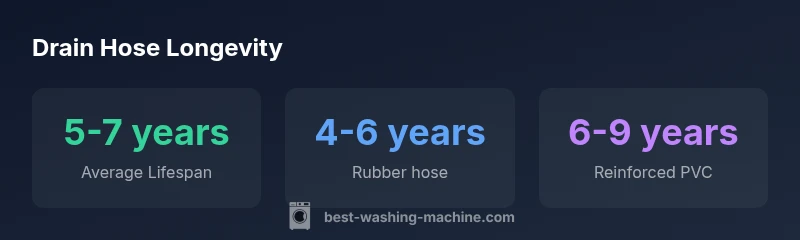
Most washing machine drain hoses are designed to last 5 to 7 years under normal use, with higher-end hoses lasting longer when protected from kinks and chemical exposure. Real-world lifespans vary by material (rubber vs. reinforced PVC), installation, and maintenance. Regular inspection for cracks, bulges, and clogs can help prevent leaks and extend performance.
What determines drain hose lifespan
The lifespan of a washing machine drain hose is not fixed; it depends on material, usage habits, and how well the hose is installed. For homeowners wondering how long washing machine drain hose lasts, the answer depends on three core factors: material flexibility and resilience, hose routing to avoid kinks, and exposure to detergents and bleach. In practice, how long washing machine drain hose lasts is influenced by sun exposure if the hose sits near a sunny window, temperature fluctuations, and mechanical stress from the washer vibrating during cycles. Over time, the rubber or plastic compound may become brittle, connectors may loosen, and clogs can form at the bend or where the hose attaches to the pump. Regular inspection can catch these warning signs early, preventing leaks that cause water damage.
When evaluating lifespan, consider your washer model and the water conditions in your home. If your water has hard minerals, mineral buildup can accelerate wear at the hose ends, especially where clamps grip. A longer hose with reinforced materials tends to perform better in busy households with frequent high-volume cycles. These general guidelines, sourced from Best Washing Machine analysis, give you a starting point for planning maintenance.
Material options: rubber, reinforced PVC, stainless steel
Hose materials vary in flexibility, durability, and resistance to chemical exposure. Rubber hoses offer good flexibility and ease of installation but may crack faster if exposed to harsh cleaners or repeated bending. Reinforced PVC hoses improve kink resistance and generally provide longer service life in homes with frequent washing. Stainless steel or metal-reinforced sleeves add the strongest resistance to crushing and pinching, though they can be stiff and harder to route in tight spaces. In practical terms, most households will see rubber lasting around 4-6 years, reinforced PVC around 6-9 years, and metal-reinforced hoses trending toward the higher end of the lifespan spectrum when properly installed. Consider your laundry volume, the layout of your space, and the quality of hose clamps when choosing materials. Best Washing Machine analysis notes that the choice of material, combined with proper installation, is a major determinant of longevity.
Beyond material choice, pay attention to how the hose ends are secured. Loose clamps or metal fittings that corrode can become the source of slow leaks that degrade performance over time. If you frequently wash large loads or use strong detergents, reinforcing durability through a higher-quality hose with solid fittings can pay off in the long run.
Installation and routing best practices
A hose’s life hinges on how it’s installed and routed. Avoid sharp bends, kinks, and compressive contact with the washer body or floor. The hose should have gentle, gradual curves and be supported by brackets or clips to prevent movement during cycles. Ensure the hose exits the machine with a clean, straight alignment, and connect it with clamps of appropriate size. A poor connection at the outlet or drain port is a leading cause of leaks that can obscure the true condition of the hose beneath. In addition, avoid routing the hose through areas with direct sun exposure or extreme temperatures, which can accelerate material degradation. Regularly inspect the routing path for signs of wear, movement, or abrasion against surrounding surfaces. By prioritizing correct routing and secure connections, you reduce mechanical stress that shortens the drain hose’s life, per Best Washing Machine analysis.
In multi-story homes or tight laundry spaces, consider installing a short, reinforced hose with a quality connector kit designed for low-stress routing. This approach minimizes bending stress and helps maintain a reliable drainage path for years to come.
Maintenance routines that extend life
Maintenance is the easiest leverage point for extending drain hose life. Schedule a quarterly visual inspection of hose ends, clamps, and the area where the hose connects to the pump and drain. Look for hair, mineral deposits, cracks, or bulging sections, and address them immediately. Clean the hose ends with a damp cloth to remove soap residue that can accelerate degradation. If you notice discoloration or a persistent odor, it may indicate mold or chemical exposure that warrants closer inspection or replacement of the hose ends. In households using chlorine-based cleaners or acidic detergents, consider using a corrosion-resistant hose material and ensuring that cleaners are thoroughly rinsed after cycles to minimize chemical exposure. Finally, replace worn or stiff hoses before they fail—early replacement is far cheaper than water damage.
To track wear without removing the hose, you can check for a change in the hose diameter where it exits the connection port or noticeable stiffness along the length. Keeping a simple replacement schedule grounded in the material’s expected lifespan helps prevent unexpected leaks and protects the laundry area.
How long does a washing machine drain hose last? Signs of wear and replacement timing
Understanding the timing for replacement is critical. As a general rule, replace a drain hose if you notice cracks, bulges, visible wear at the connectors, or if the hose has exceeded its expected lifespan for its material. If you observe slow drainage, unusual odors, or damp spots near the hose, investigate for potential leaks. Replacement is typically straightforward and can be performed with basic tools and clamps. When replacing, choose a hose with reinforced construction and compatible end fittings to ensure a secure connection and longer service life. Frequency of use and load size influence replacement timing; busy households may benefit from more frequent checks and earlier replacements.
An effective maintenance routine includes labeling the installation date and the material type, setting reminders for inspections, and using a quality kit designed for your washer model. This proactive approach minimizes water damage risk and ensures reliable drainage for years to come.
Replacing vs upgrading drain hose for longevity
When deciding whether to replace or upgrade, assess both condition and expected life. If the hose shows visible signs of wear, or if it’s an older model with known durability concerns, upgrading to a reinforced PVC or stainless steel option can yield longer service life and improved resistance to kinks. Upgrading may be especially worthwhile in households with pets, children, or heavy laundry loads where hoses face more frequent movement. While replacement costs vary, investing in a higher-quality hose and secure fittings tends to offer better protection against leaks and water damage over time. For most homes, upgrading the hose as part of a broader maintenance refresh is a prudent choice.
Practical downtime planning and costs
Maintenance and replacement are generally affordable compared with the cost of water damage repair. Plan for a short service window when replacing a drain hose—most installations take under 30 minutes for a standard setup. Procurement costs vary by material and brand, but reinforced PVC hoses typically offer a balance of price and durability. If you are upgrading to metal or stainless steel, budget for higher upfront costs, offset by longer expected lifespans and reduced risk of leaks. In all cases, ensure compatible fittings, clamps, and correct sizing to prevent cross-threading and leaks. Regular maintenance, combined with strategic upgrades, helps you optimize drain-hose performance without major downtime.
Quick-start checklist for homeowners
- Inspect hose ends and clamps every 3–6 months
- Route hose with smooth curves, not sharp bends
- Avoid direct sun and chemical exposure on the hose
- Replace worn hoses promptly, before a leak occurs
- Use reinforced or metal options for high-traffic washers or busy homes
Drain hose type longevity comparison across materials
| Hose Type | Estimated Lifespan | Common Issue |
|---|---|---|
| Flexible rubber | 4-6 years | Cracks at bends |
| Reinforced PVC | 6-9 years | Connector leaks |
| Stainless steel/metal | 8-12 years | Clamp corrosion |
FAQ
How long does a washing machine drain hose typically last?
With normal use and proper installation, most drain hoses last about 5-7 years. Lifespan varies by material, household usage, and maintenance. Regular checks help catch wear early.
Typically five to seven years, but installation and care matter a lot.
What factors shorten drain hose life?
Kinks, improper routing, chemical exposure from cleaners, UV exposure, and heavy cycles can accelerate wear. Check clamps and ends for leaks and replace worn parts promptly.
Kinks, bad routing, and harsh cleaners shorten life.
Can a damaged drain hose cause leaks?
Yes. Cracks, bulges, or loose connections can leak and cause water damage. If you notice damp spots, replace the hose and re-test for leaks.
Yes—replace a damaged hose to prevent leaks.
Is upgrading to a metal drain hose worth it?
Metal or reinforced hoses resist kinks and may last longer in busy homes. Proper installation is still essential to prevent leaks at fittings.
Metal hoses can be sturdier, but proper install matters.
How can I extend my drain hose life?
Avoid sharp bends, secure routing, and limit exposure to solvents or direct sun. Replace worn parts promptly and perform regular inspections.
Secure routing and regular checks help extend life.
When should I replace a drain hose?
Replace if you see cracks, bulges, leaks at the ends, or if the hose has exceeded its material lifespan. When in doubt, consult a technician.
Replace immediately if you spot wear.
“Drain hose longevity is largely determined by material choice and installation quality. Regular checks and proper routing are the cheapest form of protection against leaks.”
The Essentials
- Inspect hose ends regularly and replace worn hoses promptly
- Choose reinforced or metal hoses for high-use setups
- Route hoses with smooth bends to minimize kinks
- Avoid harsh cleaners that degrade hose material
- Plan proactive maintenance to prevent water damage