How to Check If Your Washing Machine Drain Hose Is Clogged
A practical, step-by-step guide to determine and clear a clogged washing machine drain hose, with safety checks, maintenance tips, and when to call a pro. Includes tools, steps, and troubleshooting.


Goal: you will confirm whether your washing machine drain hose is blocked and restore proper drainage by inspecting the hose, removing kinks, and flushing the line. You’ll need basic tools, a bucket, towels, and safety gloves. This quick check helps prevent overflows and long-term water damage. According to Best Washing Machine, clogged hoses are a common, easily fixable issue.
Why the drain hose clog matters
Understanding why a drain hose gets clogged helps you prioritize prevention and fixes. A blocked hose can slow drainage, cause water to back up into the washer or tub, and even trigger leaks around the base of the appliance. The drain hose is the conduit between your washer and your home's plumbing, and when it’s obstructed, the entire draining process struggles. According to Best Washing Machine, a clogged drain hose is a frequent, preventable contributor to not-draining symptoms and overflows. If you’re asking how to check if washing machine drain hose is clogged, start with a visual inspection for obvious kinks, then move to more thorough checks down the line. This section lays the groundwork for a safe, effective assessment, focusing on what you can do in minutes and what requires just a bit more time.
Signs of a clogged drain hose and why they appear
Clogs don’t appear out of nowhere. Over time, lint, hair, and fabric fibers can accumulate in the hose or at the hose fitting. When the hose is partially blocked, water may pool in the washer basin after a cycle, drain slowly, or back up into the drum. If you notice a musty smell or mold around the washer, don’t ignore it—standing water can create a damp environment that encourages mold growth. A clogged hose can also trip the washer’s safety features, causing long run times or error codes. Being able to spot these signs early helps you act before a small blockage becomes a big problem, and it supports more accurate troubleshooting.
Tools and safety you’ll need for the check
Before you begin, gather a few items to keep the process clean and safe. A bucket to catch water, several old towels to absorb spills, and gloves to protect your hands are essential. A flashlight will help you inspect the hose interior and fittings, while pliers or a small snake can assist with minor blockages. Power down the machine and shut off the water supply to avoid accidental sprays. If your household has a floor drain, position the bucket nearby to capture any overflow. This safety-first approach protects you and your home while you test the drain hose.
Visual inspection: where to look first
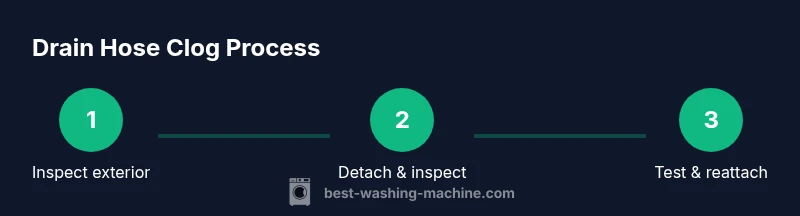
Start with the exterior of the hose. Look for kinks, bends, or crushed sections that may restrict flow. Then follow the hose into the drain standpipe or wall connection to ensure the path is clear and free of debris. A light tug can reveal if the hose is loose or damaged at the coupling. If you notice signs of wear, such as cracks or bulges, prepare for hose replacement rather than a temporary fix. Visual inspection is often enough to identify obvious problems, but a deeper check may be necessary if the line appears clear yet water still won’t drain properly.
Detaching the hose safely and checking for blockages
Carefully detach the drain hose from the washer and the standpipe or drain outlet. Place a bucket under the connection to catch residual water and prevent spills. With the hose free, inspect the interior for lint, hair, soap scum, or other debris. A flexible brush or a long, slender fabric brush can help dislodge stubborn buildup. If you find a blockage, you can attempt to loosen it with a length of wire or a plumbing snake, working gently to avoid puncturing the hose. Reconnect the hose and run a short rinse cycle to verify flow.
How to clear a partial blockage safely and effectively
For partial clogs, flushing the hose with water can often restore good flow. Use a faucet or sink to run clean water through the hose while it’s detached, watching for a steady, uninterrupted stream. If the flow remains sluggish, gently rotate the hose while flushing to dislodge fibers that cling to the inner wall. Do not use harsh chemicals through the hose, as this can damage seals and contaminate laundry. If necessary, replace the hose rather than forcing a stubborn blockage back into the washer.
Reattachment, testing, and what comes next
After clearing the blockage, reconnect the hose firmly to the washer and the drain outlet. Make sure clamps or fittings are snug but not overtightened to avoid leaks. Run a quick wash cycle with a small load to test drainage and listen for unusual sounds. Check underneath the machine for any sign of leakage around the hose connector or the base. If leaks appear, re-tighten fittings or reseat the hose. Regularly inspect the hose route and standpipe during routine maintenance to catch issues early and prevent a recurrence.
Preventive maintenance to reduce future clogs
To minimize future clogs, avoid washing large quantities of lint-prone items together and use mesh laundry bags for small items that can shed fibers. Clean the lint trap in your washing machine (if equipped) and periodically inspect the drain hose path for kinks. Keep the area around the washer dry and clutter-free so you can quickly notice changes in drainage. Consider replacing the hose every few years, especially if it shows signs of wear or is an older model, to keep your drainage system reliable.
Tools & Materials
- Bucket(To catch wastewater during hose handling)
- Old towels(Protect floor and absorb spills)
- Gloves(Keep hands clean and protected)
- Flashlight(Inspect the interior of the hose)
- Pliers or flexible snake(Clear minor blockages)
- Screwdriver (flat or Phillips)(If hose clamps are tight or need reseating)
- Drain hose replacement (optional)(Have a spare on hand in case of wear)
- Clean water source(Flush hose with clean water during checks)
Steps
Estimated time: 30-50 minutes
- 1
Power down and disconnect
Unplug the washing machine and shut off the water supply before touching any components. This prevents electrical shock and water sprays. Move the machine slightly to access the back or side panels without pulling on cords or hoses.
Tip: Use a dry hand to unplug and wear gloves to keep grip on slippery surfaces. - 2
Move and prep the area
Pull the washer away from the wall to access the drain hose connections. Place a bucket under the hose fittings and lay towels on the floor to catch any remaining water during detachment.
Tip: Have a helper if the machine is bulky; a second pair of hands reduces risk of damage. - 3
Detach the drain hose from washer
Carefully disconnect the hose from the washer’s drain port. Inspect the connection for signs of wear and ensure the hose is not kinked at the entry point.
Tip: Keep a firm grip on the hose to prevent snapping back or squirting water. - 4
Detach from the drain outlet
Loosen the hose from the standpipe or household drain. Have your bucket ready as water may drain out quickly. Inspect the interior of the hose for visible blockages.
Tip: Do not pull the hose out at full length; uncoil it gradually to avoid tearing. - 5
Inspect and clear the interior
Insert a flexible rod or snake to loosen debris, starting at the end near the outlet and working toward the washer. For stubborn clogs, gently rotate while pulling the obstruction free.
Tip: Avoid using excessive force that could puncture the hose. - 6
Flush and recheck the hose
Run clean water through the detached hose to ensure clear flow. If blockage remains, repeat the snaking action or consider replacing the hose.
Tip: Flush slowly to watch for a sudden surge of debris. - 7
Reconnect and test
Attach the hose back to the washer and drain outlet, securing clamps snugly. Run a test cycle with a small load to verify drainage and check for leaks.
Tip: Watch for any drips at the fittings during the first minute of operation.
FAQ
What are common signs that the drain hose is clogged?
Slow drainage, water backing up into the washer, or water pooling around the machine are common signs. Visual inspection for accumulated lint or soap scum inside the hose can confirm a blockage.
Common signs include slow drainage and water backing up into the washer; visually inspect for lint buildup inside the hose.
Can I fix a clogged hose without detaching the washer?
Partial clogs are often addressed by detaching and clearing the hose, but some minor blockages can be loosened through the standpipe or drain connection without full detachment. Safety first: unplug and shut water.
Sometimes you can clear a block without fully detaching, but safety comes first—unplug and close water.
How often should I inspect the drain hose?
Check the hose annually as part of routine appliance maintenance, and inspect after heavy use or if you notice reduced draining speed. Look for kinks, cracks, and sign of wear.
Inspect once a year, and after heavy use, to catch issues early.
Will a clogged drain hose cause flooding?
A severely clogged hose can lead to backflow and leaks, especially if combined with a faulty drain connection. Always test drains after clearing blockages to ensure no leaks.
Yes, a severe clog can contribute to leaks if not addressed.
Should I replace the drain hose if I clear a blockage?
If the hose shows wear, cracks, or bulges, replacement is safer than reuse. If it’s in good condition, reattach and monitor for any signs of future blockage.
Replace worn hoses; if it looks good, reattach and watch for new signs of trouble.
Watch Video
The Essentials
- Unplug and shut off water before starting.
- Inspect hose exterior for kinks or damage.
- Detaching and clearing the hose is often enough to restore flow.
- Test with a short cycle and check for leaks.