How to Clean Drain in Washing Machine
Learn how to clean drain in washing machine safely with a clear, 6-step process. Prevent clogs, odors, and costly repairs with simple tools and maintenance tips from Best Washing Machine.


Learn how to clean drain in washing machine to prevent clogs, odors, and inefficient draining. This quick guide outlines essential prep, safety steps, and a clear, 6-step approach you can follow with common tools. According to Best Washing Machine, regular drain cleaning extends washer life and keeps laundry day hassle-free.
Why cleaning the drain in washing machine matters
A clean drain path is essential for reliable flushing of water and lint. When a washer drains poorly, you may notice longer drain times, standing water in the tub, foul odors, or clothes not rinsing properly. Over time, soap scum, hair, lint, and fabric fibers accumulate in the pump filter, hoses, and drain hose. This buildup creates a resistance that makes the drain work harder, leading to higher energy use and more wear on seals and belts. For many households, understanding how to clean the drain in washing machine is not just about odor control; it’s about preserving the efficiency and lifespan of the appliance. According to Best Washing Machine, establishing a simple maintenance routine can prevent minor clogs from turning into expensive repairs. Whether you own a front-loader or a top-loader, starting with the drain path before you start washing is smart because the same debris that clogs the drain can also affect the pump’s longevity. In short, regular attention to the drain reduces mold growth, minimizes leaks, and ensures your washer performs at peak efficiency during every cycle. This foundation helps homeowners, renters, laundromat operators, and repair enthusiasts approach drain cleaning with confidence.
Signs your washer drain shows it's time to clean
Not every clog is obvious at first glance. Slow draining during or after a cycle, a loud hum when the pump runs, or water remaining in the tub are common early indicators. If you notice dirty water backing up into the drum, a persistent musty smell near the washer, or clothes coming out with soap residue, those are signs lint and soap scum are building up in the drain path. A clogged drain can also trigger error messages on newer machines, or cause the washer to stop mid-cycle. Additionally, if you have to run multiple rinse cycles to achieve clean clothes, the drain path may be partially blocked. In many cases, the problem starts with the drain pump filter or the drain hose, and a quick inspection can confirm the culprit. Regularly checking these parts helps prevent problems before they escalate. When you address these signs promptly, you reduce the risk of leaks and water damage in your laundry area, and you keep energy costs under control. +Note that these signs are practical indicators for both residential and light commercial use, aligning with guidance from the Best Washing Machine team.
Safety, prep, and cleaning plan
Safety comes first when you tackle any appliance maintenance. Start by unplugging the washer and turning off the water supply to avoid accidental leaks. Gather tools and lay down towels; have a bucket ready to catch water that escapes from hoses. Read your user manual for model-specific drain access locations, and if your unit uses a removable debris filter, locate and remove it before cleaning. Wear rubber gloves to protect hands from detergents and sharp edges. Establish a plan: inspect the filter and pump, check the drain hose for kinks, and rinse components thoroughly before reassembly. For tougher buildup, a mild mixture of hot water and white vinegar can help dissolve gunk without harming plastic parts. Never mix cleaners with bleach or other caustic chemicals, as this can produce hazardous fumes. After finishing, dry the area and run a brief test cycle with the door open until the drum moves freely, confirming proper drainage and operation.
Where to check: drain pump, filter, and hoses
The drain path usually involves three main components: the pump, the filter (screen), and the drain hose. In most front-load washers, the filter sits behind a small panel at the bottom front; in some models, it’s inside the tub area. Remove the filter cover and pull out the screen, shaking out clogs into a bucket. Use a soft brush to scrub away lint, hair, and soap scum. While you’re there, inspect the drain hose for bulges, cracks, or kinks. If a blockage is visible inside the hose or at the hose-pump connection, detach the hose carefully and flush it with warm water. Reattach securely, ensuring clamps are tight. Also check the pump inlet for debris and ensure the impeller can spin freely. If the pump remains loud or won’t start after cleaning, the issue may be a failing pump rather than a simple clog, and professional service could be warranted.
Cleaning sequence overview (high-level) and how it maps to the step-by-step guide
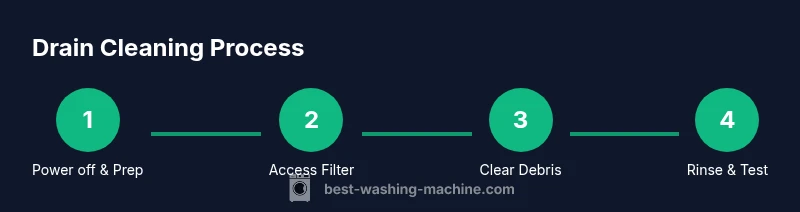
This overview connects the practical actions to the formal step-by-step process. Begin with power-down, then access the filter before examining the hose and pump. Remove visible debris, rinse components with warm water, and set them aside for disposal. Reassemble, run a short rinse to verify water flow, and then run a full cleaning cycle to flush residual buildup through the drum and plumbing. If your unit has a dedicated self-cleaning cycle, follow the manual. For many households, a hot-water cycle with a splash of white vinegar provides effective maintenance without harsh chemical cleaners. Document any recurring patterns, like specific loads or detergents, so you can address underlying causes sooner.
Maintenance tips to keep drains clear
To minimize future clogs, implement a simple maintenance schedule. Check and clean the filter every few loads if you have heavy usage, or at least monthly. Use the recommended amount of detergent to avoid excess suds that trap lint and fibers. Avoid fabric softeners that can coat hoses and filters with residue over time. Keep the laundry area dry to prevent mold growth around the washer. If you notice frequent clogs or slow draining, consider adding a preventive hot-water flush every month and a quarterly vinegar cycle as a gentle deodorizing measure. Proactive care saves time and reduces the likelihood of unexpected repairs.
When to call a professional
If the drain remains stubbornly blocked after you’ve cleaned the filter, hoses, and pump, or if you hear unusual grinding or grinding noises during draining, it may indicate a failing pump, a broken hose, or a more complex issue. A professional technician can diagnose electrical or mechanical faults, test the pump, and check for damaged wiring or control board problems. In rental or commercial settings, persistent drainage problems should be addressed promptly to prevent water damage and downtime. The Best Washing Machine Team recommends scheduling a factory-trained service visit when in doubt, as improper disassembly can void warranties or cause safety risks.
Tools & Materials
- Drain pump filter(Located behind the front access panel (model-specific).)
- Towels or towels tray(Place to catch water and keep the area dry.)
- Bucket(For collecting water and debris from the drain.)
- Screwdriver set(For removing access panels or fasteners.)
- Rubber gloves(Protect hands from detergents and sharp edges.)
- Soft brush or old toothbrush(For scrubbing the filter and screen gently.)
- White vinegar (5%)(Optional deodorizing agent; avoid mixing with bleach.)
- Baking soda(Optional mild abrasive for stubborn residue.)
- Flashlight(Better visibility in tight panels.)
Steps
Estimated time: 40-70 minutes
- 1
Power off and unplug
Unplug the washer and shift off any connected power source before touching internal components. If available, switch off the dedicated circuit breaker to reduce the risk of electric shock. This ensures complete safety while you inspect the drain path.
Tip: Keep the plug within reach and dry your hands before handling any electrical parts. - 2
Access the drain pump filter
Open the front panel to locate the drain pump filter or access port. If your model has a bottom-front panel, remove the filter cover and prepare to catch water with a towel or small tray. Remove the filter screen carefully to avoid dropping debris into the pump.
Tip: Have a bucket ready; water will flow out when you remove the filter. - 3
Remove and clean the filter debris
Dislodge lint, hair, and fabric fibers from the filter screen using your fingers or a soft brush. Rinse the screen under warm running water until it’s clean. Inspect the housing for any trapped items and wipe it down before reassembly.
Tip: Do not force the screen if it resists removal; consult the manual to avoid damaging the filter. - 4
Inspect and flush the drain hose
Trace the drain hose from the pump to the wall or floor drain and check for kinks or bulges. Detach the hose end if needed and flush with warm water to clear any remaining blockage. Reconnect firmly and secure with clamps.
Tip: Keep the end pointed into the bucket to avoid spills during flushing. - 5
Rinse components and reassemble
Rinse the filter, housing, and any adaptors. Dry all parts before reassembling to prevent mold growth. Reinsert the filter securely and replace the front panel or access cover.
Tip: Double-check seals and gaskets for tight fit to prevent leaks. - 6
Run a test cycle
Plug the washer back in, re-connect water supply, and run a short test cycle with a small load or empty. Observe the drain flow and listen for unusual noises. If water drains normally, you’ve completed the process.
Tip: If you have a self-cleaning cycle, you can use it as an alternative to a manual flush.
FAQ
Can I clean the drain without removing the filter?
In many front-loading machines you can access the drain via the front panel; however, some models require filter removal to reach the pump entirely. If your manual shows a filter, follow those steps. Otherwise, you may still access the pathway through an opening behind the panel.
In most front-loaders you can access the drain through the front panel, but some models need you to remove the filter. Always check the manual first.
Is it safe to use vinegar or baking soda to clean drains?
Yes, for many washers, using hot water with a small amount of white vinegar helps dissolve residue. Baking soda can be used as a mild abrasive and deodorizer. Do not mix with bleach or other caustic cleaners.
Vinegar and baking soda can help with buildup, but never mix them with bleach.
How often should I clean the drain in a washer?
A general guideline is every 6 to 12 months, or more often if you have hard water, frequent loads, or a vented drain path. Regular checks help prevent clogs from turning into bigger problems.
Most people clean it every 6 to 12 months, or sooner if you notice slow draining.
What if the washer still doesn’t drain after cleaning?
If drainage remains poor, the issue may be a faulty pump, a kinked hose, a blocked air gap, or an internal control fault. Stop using the machine and consult a professional to avoid water damage.
If drainage doesn’t improve, turn the machine off and call a professional.
Are there safety risks when cleaning the drain?
Yes. Always unplug the machine, avoid wet hands near outlets, and handle sharp edges carefully. If you’re uncomfortable with disassembly, seek professional help.
Yes—disconnect power first and proceed with caution, or call a pro.
Does running hot water damage the seals?
Usually not. Hot water helps dissolve residue, but avoid boiling water. For sensitive seals or extreme temperatures, follow the manufacturer’s guidelines in your manual.
Hot water helps clean but don’t overdo it—check your manual for temperature limits.
Watch Video
The Essentials
- Unplug before inspecting any drain components.
- Clean the filter and pump to maintain free drainage.
- Check hoses for kinks or blockages.
- Run a test cycle to confirm proper drainage.
- Adopt a routine maintenance schedule to prevent future clogs.