How to Unclog Drain Pipes Washing Machine
Learn practical, safe methods to unclog your washing machine drain pipes, prevent overflows, and keep performance high with a step-by-step approach.


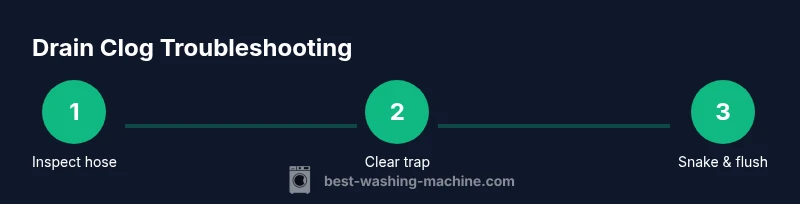
You can unclog a washing machine drain by safely draining excess water, disconnecting power, inspecting the drain hose and trap, and clearing blockages with a plumber’s snake or flexible wire. Then flush the line with hot water, reassemble, and run a test cycle to confirm smooth drainage.
Understanding the drainage system in a washing machine
A modern washing machine uses a dedicated drain path to remove used water after a wash. Water exits through a drain hose connected to a standpipe or household drain. Inside some models, a small filter or trap catches lint before water leaves the drum, and a small pump provides the force to push water out. Over time, lint, detergent residues, fabric fibers, or small items can accumulate in the hose, trap, or pump intake, creating a partial or complete blockage. Recognize that the layout differs between front-load, top-load, and compact units, so locate your model’s drain hose path by consulting the user manual or manufacturer support pages. According to Best Washing Machine, understanding this path helps you target the blockage without unnecessary disassembly and reduces spill risk during service.
Common causes of drain clogs in washing machines
Drain clogs don’t just spring from nowhere. The most frequent culprits are lint and fabric fibers shed during cycles, excess or improper detergent, and small items accidentally left in pockets (coins, buttons). Soap scum and mineral deposits can build up on the interior walls, narrowing the passageways. In some machines, a kinked or crushed drain hose or a blocked standpipe can mimic a clogged trap. If your model has a filter, it may trap hair and lint that eventually clog the line. Regular maintenance and mindful loading practice significantly reduce the odds of repeated clogs.
Safety and preparation before you begin
Before touching anything, unplug the washer and turn off the hot water supply if you’re about to run a warm flush. Have a bucket, towels, and a shallow pan ready to catch spilled water. Wear gloves and eye protection to shield yourself from sharp edges or splashes. If your floor is slippery, lay down a non-slip mat. Note that some machines have live electrical components near access panels, so avoid poking into electronics and keep water away from outlets. Following these precautions protects you and ensures you can work more confidently.
Visual checks you can perform before disassembly
Start with a basic inspection: check the drain hose for kinks or bends, ensure it isn’t inserted too far into the standpipe, and verify the standpipe or sink is not full or clogged. Look for signs of a clogged inlet screen or lint buildup around the pump housing if accessible from the bottom panel. A simple water drain test—manually draining a small amount of water into a bucket—can reveal if the issue lies in the hose or further in the line. This step reduces the risk of creating a bigger mess and helps you plan your next move.
Manual and mechanical clearing options
If you identify a blockage near the hose or trap, try first to loosen it with a gloved hand or a pair of pliers (carefully). A plumber’s snake or a flexible auger can clear hair and lint that a finger cannot reach. For stubborn blocks, disconnect the drain hose and pull it to access the line more fully, then reattach and test. If you have a trap, remove and clean it, removing all debris before reassembling. Avoid chemical drain cleaners inside the washer; strong solvents can damage seals and hoses. Always recheck with a test cycle after cleanup.
When to call a professional
If you cannot locate the blockage, or if water continues to back up after cleaning, it’s time to involve a pro. A technician can safely access the pump housing, verify the drain pump operation, and inspect internal channels with diagnostic tools. Complex issues like a cracked hose, damaged valve, or persistent clogs beyond the trap require expert handling to prevent leaks or flood damage.
Tools & Materials
- Bucket or pan(Capable of holding several quarts; place under drain area)
- Towels or rags(For spills and protection on the floor)
- Gloves(Work gloves to protect hands from sharp edges)
- Plumber’s snake or flexible auger(6-8 ft length is common; choose one appropriate for your model)
- Adjustable pliers or screwdriver(For loosening clamps or trap components)
- Flashlight(Better visibility inside panels)
- Old towels or mat(Contain water and protect floor)
Steps
Estimated time: 30-60 minutes
- 1
Power off and prepare
Unplug the washer and turn off any water supply to reduce the risk of shocks or leaks. Move the machine if needed to access the back or lower panels. Have your bucket and towels ready before you start to collect any water.
Tip: A dry, organized workspace minimizes spill risk. - 2
Identify the drainage path
Trace the drain hose from the back of the unit to where it enters the standpipe or household drain. Check for kinks or crushed sections that could impede flow.
Tip: Know your model type (front-load vs top-load) as layouts differ. - 3
Inspect the drain hose and standpipe
Disconnect the hose from the standpipe, if safe to do so, and inspect for visible blockages. Remove any lint buildup you can see from the hose end.
Tip: Keep water contained to avoid floor flooding. - 4
Clear the trap or filter (if accessible)
If your model has an accessible trap or filter, carefully remove the cap and clean out hair, lint, and debris. Reassemble securely and run a quick drain test.
Tip: Take note of any trapped items that could re-enter the line. - 5
Use a plumber’s snake for stubborn clogs
Insert the snake into the drain hose or trap opening and rotate to break up buildup, then pull back slowly. Repeat until water drains freely.
Tip: Avoid forcing the snake; apply steady pressure to prevent hose damage. - 6
Flush with hot water
With the hose reconnected, run hot water through the line for several minutes to loosen remaining deposits. Collect runoff in your bucket to avoid mess.
Tip: Do not use boiling water; hot water is effective but safe for hoses. - 7
Reassemble and test
Reconnect all hoses and panels securely. Plug in the washer and run an empty full cycle to confirm the drain operates smoothly. Watch for leaks.
Tip: If leaks appear, recheck hose clamps and seals. - 8
Assess after one cycle
If drainage is slower than expected or signs of clog persist, repeat the clearing process or consider professional help for deeper blockages.
Tip: Keep a log of cycles and symptoms to guide future maintenance.
FAQ
What are the first signs that my washing machine drain is clogged?
Slow drainage, standing water in the drum after a cycle, or water backing up into the tub indicate a clogged drain path. If you notice unusual noises from the pump, stop and inspect the hoses and trap first.
Look for slow drainage or water backing up after a cycle. If you see that, inspect hoses and the trap before proceeding.
Can I use chemical drain cleaners for a washing machine?
Most manufacturers advise avoiding chemical cleaners inside washing machines. They can corrode hoses and seals and may leave residue that affects future cycles. Mechanical clearing is safer and often more effective.
Avoid chemical cleaners in washers. They can damage hoses and seals; mechanical clearing is safer.
How do I access the drain hose on different washer models?
Front-load machines typically have easier access to the drain hose and filter behind a front panel. Top-load units may require lifting the lid and removing a rear panel. Always consult the manual for your model before attempting access.
Access varies by model; check the manual for your exact washer. Front-loads usually have accessible panels, top-loads differ.
What tools are best for clearing a washer drain clog?
A plumber’s snake or flexible auger works well for hair and lint. Pliers or a screwdriver helps with trap components. Avoid forcing items that could damage hoses.
Use a snake or flexible auger, and pliers for traps. Don’t force anything that could tear hoses.
Is it safe to run the washer if the drain hose is clogged?
No. Running the washer with a clogged drain risks overflow and water damage. Always clear the blockage first and run a test cycle with a small amount of water.
No, it can overflow. Clear the clog first, then test with a small water amount.
How often should I inspect or clean the washer drain?
Inspect and clean the drain path and any accessible filter at least every 6–12 months, or sooner if you notice slower drainage or frequent clogs.
Do a drain check every 6 to 12 months or when you notice slow drainage.
Watch Video
The Essentials
- Identify the drain path before disassembly.
- Clear blockages with mechanical tools first, not chemicals.
- Test drainage after each major step to confirm progress.
- Know when to call a professional to prevent water damage.