How to vent washing machine drain: a practical guide
Learn to vent a washing machine drain safely and effectively. This guide covers vent configurations, tools, step-by-step instructions, safety, and troubleshooting to prevent backflow and sewer gas in your home.


By following these steps, you can safely vent a washing machine drain to prevent siphoning and sewer gas. Proper venting options include a dedicated vent pipe, an air-admittance valve, or an externally vented standpipe, installed per local codes. Plan, test thoroughly, and ensure traps remain filled.
Why venting a washing machine drain matters
Venting a washing machine drain is essential to prevent siphoning, which can pull the water out of the trap and compromise the seal that keeps sewer gases from entering your home. When a washer drains rapidly, it creates a momentary vacuum in the drain line; without a vent, this vacuum can pull away the trap water, allowing odors and potentially harmful gases to seep into living spaces. In addition to odors, poor venting can lead to slow drainage, gurgling noises, and, in worst cases, backups that reach the washer or laundry sink. Understanding how to vent washing machine drain helps you choose a method that aligns with your plumbing layout and local code requirements. The Best Washing Machine team notes that correctly vented installations improve drainage performance and reduce the risk of backflow over repeated wash cycles. The goal is a venting approach that provides air access without letting sewer gases escape into the laundry area. This section sets the stage for practical configurations, safety considerations, and real-world steps you can follow.
Common venting configurations for washers
There isn’t a one-size-fits-all vent for every laundry setup. Your options depend on the distance to the outdoors, existing pipe layout, and local plumbing codes. Typical configurations include:
- Standpipe with a dedicated vent that rises to an exterior vent or roof vent, ensuring the trap remains sealed and the run has the proper slope.
- Wall- or ceiling-mounted air-admittance valve (AAV) where a direct outdoor vent isn’t feasible, used only where permitted by code and with appropriate trap placement.
- A combined drain and vent through a through-wall vent or vented standpipe that directly connects to the drainage system, avoiding cross-connection with sinks or toilets.
Key considerations include maintaining a proper trap seal, ensuring minimum and maximum vent distances, and avoiding venting paths that could siphon adjacent traps. Best Washing Machine’s analysis highlights that choosing the right vent type reduces gurgling and backpressure during high-water events, like full loads or continuous slow drains. In practice, your chosen configuration should be simple to inspect, accessible for maintenance, and compliant with your local building department."
Safety considerations and code basics
Vent installation touches on critical safety and code issues. Before you begin, shut off the washer’s power at the outlet and, if possible, the water supply to prevent accidental leaks. Use protective gear—safety glasses and gloves—when cutting pipes or handling sharp fittings. Verify that the vent path does not create a backflow risk into other fixtures and remains accessible for future inspection. Codes vary by jurisdiction, but several common requirements apply: the vent must remain above water level and drain slope, traps must be retained with water to form a gas seal, and connections should be made with solvent-welded joints or approved mechanical fittings. If your local code requires an exterior vent, plan for a vent cap that prevents pests and rain entry. When in doubt, consult a licensed plumber or your local building department to confirm compliance before cutting into walls or ceilings. The overarching aim is safety, reliability, and long-term performance of your washer drainage system.
Tools, materials, and planning (overview)
Successful venting hinges on careful planning and suitable materials. You’ll need a clear plan for routing, an appropriate vent type (standpipe vent, AAV, or exterior wall vent), and fittings sized to your drain line. The right tools and materials help you make clean joins and reliable seals, reducing the chance of leaks and odor migration. At the planning stage, measure distances, determine available outlet points, and identify any heat sources or moisture-sensitive areas that could affect vent routing. Keep a bucket handy for catching water, towels for spills, and a marker to mark cut lines. If you’re venting through an exterior wall, check for insulation and weatherproofing needs. Finally, confirm that trap seals are preserved along the route, because an empty trap can allow sewer gas into your living space.
Step-by-step overview before the detailed guide
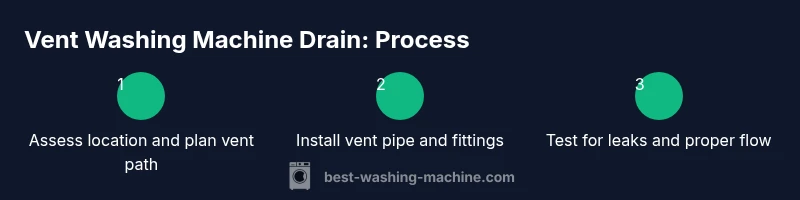
This section provides a high-level roadmap for venting a washing machine drain. Start with safety as the top priority, then assess your existing drain layout to decide between a dedicated vent or an AAV. Plan the vent path so there are minimal sharp bends and a consistent slope toward the exterior or vent stack. Gather the required tools and materials, cut only where permitted by code, and ensure all joints are properly sealed with appropriate cement or fittings. After installation, perform a pressure and water test to verify that there are no leaks and that the trap seal remains intact under typical loads. The following step-by-step section expands these concepts into concrete actions you can follow.
Troubleshooting and maintenance tips
Even a well-installed vent can experience issues over time. Common problems include air-admittance valves sticking or failing, vent cap clogs from lint or debris, and minor leaks at joints due to improper cementing. Routine maintenance includes inspecting vent openings for obstructions, testing vent performance by running a fast wash cycle and verifying that no odors or slow draining occur, and rechecking seals after utility work or remodeling. If you notice persistent gurgling, water backing up, or a strong sewer smell around the laundry area, re-evaluate the vent path for blockages or misalignment and consult a professional if needed.
Maintaining vented washer drains
To keep the vent system functioning well, perform annual inspections of exterior vent caps and interior joints. Ensure that the vent path remains free of dust, lint, or insulation that could impede air flow. Replace any worn fittings and reseal joints if you observe seepage during tests. Keeping the trap seals topped up with water (or using a trap primer where required) is essential to maintain a gas seal. Document any changes to the drainage layout and verify code compliance after any home renovations.
Final checks and code compliance reminders
Before putting the washer back into routine service, complete a final check: confirm that the vent path is clear, joints are sealed, and the trap remains primed. Run a full cycle with a full load to observe drainage behavior, listening for any gurgling sounds or signs of backflow. If you detect issues, pause use and re-examine the vent routing and connections. Always document the installation for code compliance and future maintenance. Best Washing Machine emphasizes that proper venting is a long-term investment in home safety and equipment reliability.
Tools & Materials
- Vent kit compatible with 1-1.5 inch drain(Includes vent tee and appropriate fittings)
- PVC pipe (1-1/2 inch to 2 inches)(Schedule 40 or as required by code)
- PVC primer and cement(For secure, leak-free joints)
- Air-admittance valve (AAV)(Use only where permitted by code)
- Trap and P-trap adapter(Keeps the U-trap seal intact)
- Sewer-safe sealant or silicone(Seal penetrations and joints)
- Measuring tape(Check run length and slope)
- Pipe cutter or saw(Clean, straight cuts)
- Safety glasses and gloves(Personal protective equipment)
- Bucket, towels, rags(Contain spills and leaks)
- Step ladder or stable platform(Access high vent points safely)
- Marker or pencil(Mark cut lines and layout)
Steps
Estimated time: 2-3 hours
- 1
Shut off power and water
unplug the washer from the outlet and turn off the cold water supply to prevent accidental leaks while you work. Clear the area and set down towels to catch any residual water.
Tip: Keep a flashlight handy in case you’re working in a tight cabinet or crawl space. - 2
Locate drain and plan vent route
Find the washer’s drain standpipe and determine a legal vent path that avoids crossing into unrelated traps. Measure distances and mark where the vent will connect to the drain using the vent kit and fittings.
Tip: Avoid routes that create long horizontal runs or sharp elbow angles; they reduce vent efficiency. - 3
Choose vent type and route
Decide between a dedicated outdoor vent, an interior wall vent, or an air-admittance valve based on code and feasibility. Ensure the chosen method maintains the trap seal and complies with local requirements.
Tip: If outdoors, ensure weatherproofing and rain protection for any vent cap. - 4
Prepare vent path and install fittings
Cut the vent opening and install the vent tee, pipes, and fittings at the correct slope (typically 1/4 inch per foot). Dry-fit first, then cement or tighten collapsible fittings as required by code.
Tip: Test-fit before cementing to avoid misalignment. - 5
Connect vent to drain and preserve trap
Attach vent to the drain line with secure joints, ensuring the trap remains properly primed. Install a trap adapter and P-trap if needed to seal the drainage path.
Tip: Use primer and cement for solvent-weld joints to prevent leaks. - 6
Test system and finalize
Run a full wash cycle with water to check for leaks or gurgling noises. Inspect all joints, confirm there is no backflow, and verify the trap remains full after testing.
Tip: If you hear gurgling, recheck vent orientation and ensure there are no blockages.
FAQ
Do I always need a vent for a washing machine drain?
Most installations benefit from a vent to prevent siphoning and sewer gas, especially for long run drains. Local codes often require some form of venting. If unsure, consult a licensed plumber or your building department.
Ventilation helps prevent sewer gas and backups in many setups; check your local code to confirm what's required.
Can a laundry sink vent be used for a washer drain?
In some cases a shared vent is allowed, but many jurisdictions require a dedicated washer vent or a proper standpipe vent. Mixing with sink vents can create cross-connection risks.
Shared vents are possible in some codes, but check local rules to avoid unsafe configurations.
What are the most common venting types for washers?
Common options include a standpipe with a dedicated vent, an exterior wall vent, or an air-admittance valve (AAV) where permitted. Each has trade-offs in cost, accessibility, and code compliance.
Standpipes and AAVs are common, but always follow your local code guidance.
How do I test a vented washer drain after installation?
Run a full wash cycle and listen for gurgling or observe if water backs up. Use a bucket to test carefully and inspect all joints for leaks. If issues appear, recheck connections and vent routing.
Test with a full cycle and look for leaks or gurgling; fix any issues before regular use.
Is venting a washer drain different in rentals?
Rentals often require approval from the landlord or building management and must comply with local codes. A professional assessment may be required to ensure code compliance before modifications.
Check with the landlord and follow local rules before making changes.
What tools do I need to vent a washer drain?
Essential tools include a measuring tape, pipe cutter, marker, cement or primer depending on fittings, safety gear, and the appropriate vent kit. Having a clear plan helps prevent last-minute trips for missing parts.
Gather a tape measure, cutter, cement, safety gear, and the vent kit before starting.
Watch Video
The Essentials
- Vent to prevent siphoning and sewer gas
- Choose vent type based on code and layout
- Test thoroughly before finishing
- Preserve trap seals during installation
- Maintain venting system over time