How to Fit a Washing Machine Drain Hose
Learn how to fit a washing machine drain hose safely and effectively with our step-by-step guide. Understand hose types, connections, and leak-prevention tips for a reliable setup.


This guide teaches you how to fit a washing machine drain hose safely and securely, including hose types, connection methods, and leak-prevention steps. You’ll learn what tools you need, how to measure for a proper fit, and how to test the setup for leaks before running a full washing cycle.
Understanding how to fit washing machine drain hose
According to Best Washing Machine, understanding the drain hose's role and the risks of an improper fit is the first step toward a reliable laundry setup. The Best Washing Machine team found that a secure, properly sized hose prevents drips, backflow, and water damage—issues that occur when hoses kink, slip, or become disconnected. This section covers the basics: why hose diameter and end fittings matter, how to identify your washer’s outlet style, and how to plan the installation so you can complete the job with confidence. By knowing which hose to buy, how to measure for a secure fit, and where to position the hose, you’ll be better prepared. This knowledge is valuable for homeowners, renters, and anyone who wants to keep their laundry area tidy and leak-free.
A solid fit also reduces the risk of mold, mildew, and standing water around the washer. Remember to check your manual for any manufacturer recommendations on hose type and length. The goal is a straightforward, leak-free setup that lasts the life of the machine.
Hose types and connection options
Washing machine drain hoses come in several common configurations. The most important difference is the hose end and the diameter. In many homes, hoses have a 5/8 inch (16 mm) inner diameter with ends designed to fit standard standpipes or laundry tubs. Some hoses feature a ribbed exterior for a tighter grip, while others have a smooth finish requiring clamps or zip ties for security. When choosing a hose, consider your outlet style: a straight end works well for most standard connections, while an elbow or curved end helps navigate tight spaces. If you own a high-efficiency machine or a front-load model, ensure the hose end matches the drain fitting to avoid leaks. Always check compatibility with any adapters you plan to use.
Planning the installation: measurements and routing
Before you touch the hose, map out a clear route from the washer outlet to the drain. Measure the distance to the standpipe or sink and leave a small amount of slack to accommodate vibrations during the wash cycle. Avoid sharp bends or kinks that can restrict flow or create leaks. Plan a position that keeps the hose above potential water puddles and away from the machine’s moving parts. If your space is tight, consider a shortened hose with a proper clamp rather than forcing a long hose into a cramped area. The goal is a smooth, gravity-assisted drain path with minimal bending.
Step-by-step overview and when to replace hoses
If your hose is old, cracked, or feels stiff, it’s safer to replace it rather than try to bend it into position. Replacing with a new, compliant hose reduces the risk of leaks and increases reliability. When planning the installation, keep an extra hose clamp and a handful of zip ties handy, so you can secure connections without over-tightening. If the hose shows any sign of degradation—cracks, kinks, or bulges—future leaks are likely. This overview helps you decide when to replace rather than repair.
Attaching the hose to the washer outlet
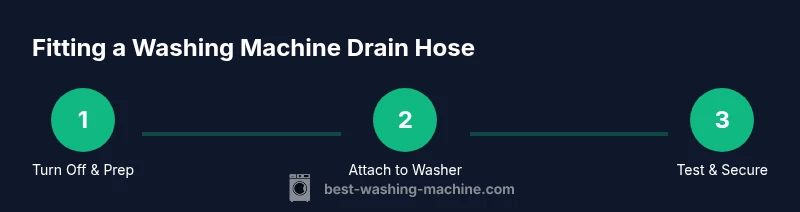
Attach the hose to the washer’s outlet first, ensuring the connector is fully seated. If your washer uses a compression fitting or a specific orientation, align accordingly and slide the hose on until it seats snugly. If your hose end relies on a clamp, position it near the end and tighten evenly to avoid crushing the hose. Remember: a loose connection is a primary leak point, so take a moment to ensure a secure seal before moving to the drain.
Connecting to the drain: standpipe, sink, or tub
For standpipes, slide the hose into the opening until it’s fully seated, then secure with a clamp or zip tie if recommended. If you’re draining into a sink or laundry tub, position the hose so water flows downhill and doesn’t backflow toward the washer. Keep the end above the water level in the drain to prevent siphoning. Using an additional standpipe elbow or a small adapter can improve fit and reduce strain on the hose.
Test, verify, and finalize
After everything is connected, run a short cycle to test the setup. Look for drips at the hose connections and along the entire length. If you notice leaks, tighten clamps gradually or reposition the hose to avoid sharp bends. Place a towel or small bucket nearby to catch any unexpected drips during the test. Once you confirm there are no leaks and the hose remains secure, tidy up the area and store spare clamps for future maintenance.
Tools & Materials
- Washing machine drain hose (existing or replacement)(Ensure length reaches from washer outlet to drain with some slack; check for compatibility with your standpipe or sink.)
- Hose clamps or zip ties(Spring clamps are common; use stainless steel for durability.)
- Bucket and towels(To catch and wipe up any residual water during changes.)
- Pliers or screwdriver(Needed to tighten clamps or secure fittings without over-tightening.)
- Measuring tape(Helpful to measure routing distance accurately.)
Steps
Estimated time: 25-40 minutes
- 1
Turn off power and water, prepare area
Unplug the washer and turn off the hot and cold water valves if accessible. Move the machine slightly to access the hose connections and place towels or a bucket to catch any water that may spill.
Tip: Protect your flooring by placing a tray under the area where you will work. - 2
Remove old hose or prep new hose
Carefully detach the existing drain hose from the washer outlet, allowing any water to drain into the bucket. If using a new hose, inspect the ends for any debris and verify compatibility with your standpipe or drain.
Tip: Do not yank; twist the hose gently to release any stubborn fittings. - 3
Measure routing and choose end fittings
Measure the distance to the drain to determine if a longer or shorter hose is needed. Select the hose end that matches your outlet and the drain configuration (standpipe, sink, or tub) and gather the necessary adapters if required.
Tip: Allow a little slack for vibration; avoid tight bends that can kink the hose. - 4
Attach hose to washer outlet
Slide the hose onto the washer outlet until it seats firmly. If using a clamp, position it near the end and tighten with a screwdriver until snug, avoiding over-tightening that could crush the hose.
Tip: Check alignment to prevent the hose from rubbing against the machine frame. - 5
Connect hose to drain end
Insert the other end into the drain or standpipe, ensuring a secure seal. Use a clamp or zip tie if recommended for extra security and to prevent slippage during cycles.
Tip: Ensure the end is fully inserted to prevent leaks and backflow. - 6
Test the setup
Plug the machine back in and run a short wash cycle with a lower water level to check for leaks. Observe both connections and along the hose length for any moisture.
Tip: If you see leaks, tighten clamps gradually or reposition the hose to avoid bending. - 7
Finalize and secure
Tidy the area, secure any loose hoses to prevent movement, and place towels nearby as a precaution. Consider periodic checks every 6–12 months to ensure hoses and clamps remain secure.
Tip: Keep spare clamps and hose spare near the washer for quick future maintenance.
FAQ
What is the correct diameter for a washing machine drain hose?
Most hoses have a 5/8 inch (16 mm) inner diameter and fit standard drain fittings. Always check your appliance manual for the exact size and compatible adapters.
Most hoses are about five-eighths of an inch inside. Check your manual to confirm the exact size for your model.
Can I reuse the existing hose if it looks okay?
If the hose is cracked, stiff, or shows signs of wear, replace it. A damaged hose poses a leak and flood risk during cycles.
If the hose looks worn, replace it to avoid leaks. Don’t reuse damaged hoses.
What should I do if there is backflow or water around the hose?
Stop the cycle, check clamps and connections, and ensure the drain is not blocked. Re-seat the hose firmly and re-test after clearing any obstruction.
If you see backflow, pause the cycle, secure all connections again, and ensure the drain is clear.
Is it safe to replace the hose while the machine is plugged in?
Always unplug the washer before starting any hose work. This reduces the risk of electric shock and ensures you can work safely.
Unplug the washer before starting. Avoid working with water near live electrical components.
How do I extend the drain hose length safely?
Use an appropriate hose extension or adapter designed for washing machines. Do not force a longer hose than recommended, as this can create kinks and leaks.
If you need more reach, use a proper extension designed for washers and avoid forcing longer hoses.
Why do I still see leaks after fitting?
Leaks after fitting usually mean a loose connection or a damaged hose. Re-check clamps, seating, and ensure the drain path has no sharp bends.
If leaks persist, recheck the hoses and clamps and inspect the path for kinks.
Watch Video
The Essentials
- Choose the right hose end and length for your setup.
- Secure clamps evenly without crushing the hose.
- Test for leaks with a brief run and address any drips immediately.
- Maintain hoses and clamps; inspect annually for wear.