Repair Washing Machine Water Valve: Step-by-Step Guide
Learn how to diagnose and repair a washing machine water valve, including safety checks, tools, a full replacement walkthrough, and maintenance tips to prevent leaks and overflows. This guide covers symptoms, DIY vs pro decisions, and how to select compatible parts for your washer.


Repairing a washing machine water valve involves diagnosing the inlet valve, gathering tools, and replacing the valve cartridge if tests show a fault. This how-to guide covers safety, step-by-step actions, and maintenance to prevent future leaks. It also explains common symptoms, required safety precautions, and how to decide between DIY repair and professional service.
Understanding the water inlet valve in your washing machine
The water inlet valve, often called the water inlet solenoid, is the gatekeeper for water entering the drum during fills. It is controlled by the machine's control board and connected to hoses that feed hot and cold water. When it functions correctly, water flows smoothly in the right mix and pressure. When it fails, you may notice leakage, continuous filling, or no water at all. According to Best Washing Machine, the water inlet valve is a common failure point, especially on older models or after mineral buildup in the supply lines. Regular use without filtration can accelerate wear on valve seals and solenoids. Diagnosis often starts with simple tests: watching for water flow signs, listening for buzzing, and checking for kinking or damage on intake hoses. Understanding how this valve works helps you decide whether to clean, adjust, or replace it. In this guide, you will learn practical steps to identify a faulty valve and perform a repair safely.
Symptoms of a faulty water valve
Typical signs include slow or no filling, overfilling, or inconsistent water temperature. A valve that is leaking may drip around the valve body or pooling water near the supply lines. If you hear buzzing or a loud click when the washer should be filling, the coil may be sticking or the wiring may be compromised. Some machines show a fault code in the display when the inlet valve is not operating. If you notice water on the floor near the back of the washer, check the valve area for a loose connection or a defective seal. These symptoms point to a valve problem but could also involve hoses, clamps, or the water supply. Start by inspecting the valve and hoses for obvious damage before proceeding with tests.
Safety and preparation before you begin
Always start with safety. Unplug the washer from the wall and turn off the home water supply before touching any electrical or plumbing components. Move the machine away from the wall to create space for access panels and to prevent accidental pinching of hoses. Gather towels or a shallow basin to catch residual water and keep a bucket for draining hoses. Read the model specific service manual for any cautions about capacitor discharge or panel removal. Wear eye protection and gloves to guard against sharp edges inside the cabinet. This preparation keeps you safe and minimizes the risk of mistakes during the repair.
Diagnosing the valve safely
A careful diagnosis combines visual checks with basic electrical tests. Start with a visual inspection of the valve body and connectors for corrosion, mineral deposits, or loose clamps. Remove the hoses and inspect the screen filters for debris, which can block flow. If the coils are accessible, unplug the harness and test resistance with a multimeter according to the models in your manual. Compare results to the service sheet for your washer. When in doubt, perform the test with the power off and at least one meter of distance from conductive parts. Record observations so you can review them later or show them to a technician.
Replacement parts and compatibility
Valve assemblies come in several configurations, with one or two solenoids and different inlet diameters. To choose a replacement, note the model number on the valve body and verify compatibility with your washer. Expect a range in cost for the valve cartridge, not including labor or tools. If you prefer a DIY fix, stock up on a compatible valve kit, Teflon tape for threads, and fresh gaskets. Always purchase from reputable suppliers and avoid generic parts that do not meet your model requirements. If your model uses integrated sensors, you may need a more advanced kit.
DIY vs professional repair considerations
DIY replacement saves money but requires basic plumbing and electrical skills. If you are comfortable with disconnecting hoses, unplugging connectors, and following a service manual, you can likely complete the task. However, if you observe signs of deep corrosion, a cracked valve body, or a nonstandard wiring harness, it is safer to call a technician. Some warranties require professional service to remain valid, so check your coverage. In many cases, a failed valve is a straightforward swap, but the surrounding cabinet layout and the presence of a plastic shell can complicate access. Weigh the hours, tools, and risk against the potential savings before starting.
Maintenance tips to prevent valve failures
- Use a basic water filter or softener if your water supply is hard, which can reduce mineral buildup on valve internals.
- Periodically inspect hoses and clamps for leaks and replace damaged components promptly.
- When replacing hoses, hand tighten fittings then snug with pliers, avoiding overtightening that could crack plastic connectors.
- Run an empty cycle with hot water and a cleaner once or twice a year to keep deposits at bay.
- If you notice reduced water flow toward the drum, recheck the screen at the valve inlet and clear debris as needed.
These practices extend valve life and keep your washer filling consistently.
Aftercare: testing and leaks prevention
After reinstalling the valve, restore power and water, and start with a short test fill using the smallest amount of water. Observe carefully for any leaks around hose connections, valve body, or mounting bracket. If leaks appear, tighten clamps and seals within the manufacturer limits, and recheck alignment of hoses. Run a complete wash cycle on low load to ensure full function. If filling is erratic, repeat the diagnostic steps or consult a service manual.
AUTHORITY SOURCES
Reliable references can help you verify procedures and safety practices. For broader guidance on energy efficiency and appliance safety, visit these credible sources:
- Energy Star on residential washers: https://www.energy.gov/eere/buildings/articles/washing-machines-energy-saving
- U.S. Consumer Product Safety Commission safety information: https://www.cpsc.gov
- University extension resource on appliance maintenance: https://extension.osu.edu
Tools & Materials
- Adjustable wrench(To loosen fittings on hoses and valve connections)
- Phillips screwdriver(For panel screws and clamps)
- Flat-head screwdriver(Useful for prying or prying clamps carefully)
- Pliers(Grip hose clamps and fittings securely)
- Multimeter(Test valve coil resistance as per manual)
- Valve replacement kit(Match model and inlet size; includes seals and gaskets)
- Teflon tape(Seal threads on valve connections)
- Replacement inlet valve cartridge(Ensure compatibility with model number)
- Bucket(Catch residual water during hose removal)
- Towels(Protect floor and soak spills during work)
Steps
Estimated time: 60-120 minutes
- 1
Disconnect power and water
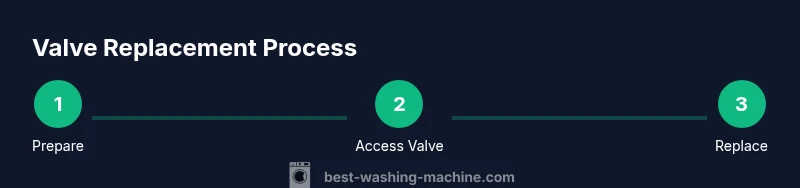
Unplug the washer from the wall outlet and turn off the home water supply before touching any electrical or plumbing components. Move the machine away from the wall to access the back panel safely. This step minimizes the risk of electrical shock and water damage during the repair.
Tip: Set a timer and wear rubber-soled shoes for added safety. - 2
Access the inlet valve
Remove the back or top access panel according to your model to reach the inlet valve. Use the manufacturer guidance to avoid damaging panels or trim. Keep track of screws and clips so you can reassemble easily.
Tip: Consult the service manual for panel removal steps before proceeding. - 3
Disconnect hoses from the valve
Place towels or a shallow basin under the work area and use a wrench to loosen the hose clamps. Detach both hot and cold supply lines from the valve, keeping track of which hose goes where for reassembly.
Tip: Label hoses if needed to ensure correct orientation at reattachment. - 4
Unplug electrical connectors and remove mounting screws
Carefully disconnect the valve wiring harness and remove the mounting screws that secure the valve to the cabinet or chassis. Support the valve during removal to prevent strain on the hoses.
Tip: Take a photo of the connector layout to guide reinstallation. - 5
Inspect the valve and coils
Visually inspect the valve body for corrosion or mineral buildup. If coils are accessible, test resistance with a multimeter according to your manual. Note any abnormal readings or damaged seals that indicate replacement is needed.
Tip: Power should be off during testing; document results for reference. - 6
Install the new valve
Position the new valve and secure it with mounting screws. Apply Teflon tape to threaded connections as needed and ensure seals are seated properly before tightening.
Tip: Hand-tighten first, then snug with a wrench to avoid over-tightening. - 7
Reconnect hoses and electrical connectors
Attach hot and cold hoses to the correct valve ports and reconnect the wiring harness. Ensure all clamps are secure and hoses are not twisted or kinked.
Tip: Check that clamps are tight but not overly tight, which can damage fittings. - 8
Test fill and verify leaks
Restore power and briefly run a test fill with minimal water to check for leaks around all connections. If a leak is detected, power off and reseat connections or replace gaskets as needed.
Tip: Do not run a full cycle until you are leak-free at all joints.
FAQ
What are the common signs of a faulty water inlet valve?
Common signs include irregular fills, no fill, leaks around the valve, and buzzing noises from the valve. Codes or indicators on newer models can also point to valve issues. If you notice these, begin with a visual inspection and then test the coil.
Common signs are irregular fills or leaks near the valve; start with a visual check and then test the coil.
Can I replace the water valve myself?
Yes, many models allow valve replacement by a DIY enthusiast with basic plumbing and electrical skills. Follow the service manual, disconnect power and water, and use proper safety precautions. If you encounter wiring or structural challenges, consider professional help.
Yes, DIY is often possible with proper safety and following the manual.
How do I test if the valve is leaking?
With power off, remove the valve and inspect seals and gaskets for damage. Reinstall without power and run a brief fill to observe for drips around fittings and valve body. If leaks persist, replace the valve or seals.
Turn off power, check seals, and run a short test fill to look for drips.
What if I can’t find a compatible valve for my model?
Check the washer’s model number and consult the manufacturer’s parts list or a professional. Some models use integrated assemblies that require a complete valve kit or cabinet access by a technician.
If you can’t find a compatible valve, contact the manufacturer or a repair technician.
How long does valve replacement typically take?
Most DIY valve replacements take about 60 to 120 minutes, depending on access and model. Professional service may be quicker but costs more. Plan for a brief downtime.
About one to two hours for DIY; professionals may complete it faster.
Watch Video
The Essentials
- Always unplug and shut off water before work.
- Use a compatible valve kit and seals.
- Check for leaks after replacement and during the first test run.
- Regular maintenance reduces valve failures over time.