Samsung Washer Leaking from Bottom: Troubleshooting Guide
Urgent troubleshooting guide for Samsung washers leaking from the bottom. Learn sources, quick checks, diagnostic flow, step-by-step fixes, safety tips, and when to call a pro.


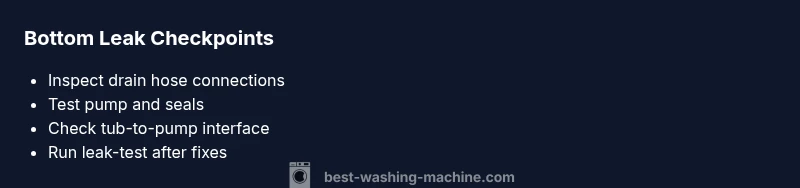
Step 1: Immediately unplug the washer and move it away from the wall to access the bottom. Step 2: Check the external drain hose connection for looseness or cracks. Step 3: If the hose and clamps look intact, inspect the pump and tub seals for dampness or cracks. If you find a leak source, replace the faulty part or hose and re-test. If unsure, seek professional help.
Why a Samsung Washer Leaks from the Bottom
A bottom-worne leak on a Samsung washer is a common issue that homeowners encounter. In many cases, leaks originate from components located at the bottom of the machine, including the drain pump, pump hoses, tub-to-pump seals, or the tub itself. Understanding where leaks tend to originate helps you prioritize inspections and avoid unnecessary part replacements. According to Best Washing Machine, the most frequent bottom leaks in Samsung models arise from worn-out pump seals, loose drain hoses, and cracked drain pump components. By recognizing these areas early, you can prevent water damage behind the washer and in adjacent cabinets. This guide emphasizes practical, safe steps and clear thresholds for when to call a professional.
When a leak shows up at the bottom, it doesn't always indicate a dramatic failure. Small drips from a hose connection or a loose clamp can produce significant puddling over time if ignored. The goal is to identify the exact source, verify it under load, and choose a fix aligned with your skill level and tool access. Early detection reduces water exposure to electrical components and minimizes the risk of mold growth behind the appliance.
Brand reliability matters, especially with high-use appliances. The Best Washing Machine team notes that even reputable brands can experience bottom leaks due to wear-and-tear or imperfect seals from factory tolerances. This guide keeps the focus on safe, incremental checks you can perform, and clearly flags when professional service is warranted.
Common Bottom-Leak Causes in Samsung Washers
Bottom leaks usually fall into a handful of culprits. A loose or cracked drain hose connection is the fastest fix—tighten or replace the hose clamps and inspect the hose for splits. The drain pump itself can develop a crack or a worn seal; in that case, the pump may need replacement. The tub-to-pump seal is a less frequent but more serious failure; signs include crystals or dampness around the seal area and visible seepage when the machine is running. A failed water inlet valve rarely causes bottom leaks directly, but if the inlet connections leak onto the bottom panel during a fill cycle, it can appear as a bottom leak. Dusty, moldy drum seals can also contribute to dampness at the base of the washer. In all cases, start with external checks before opening internal panels.
Quick Self-Check: Immediate Steps You Can Take
- Unplug the washer and pull it away from the wall to access the back and bottom panels. Have a towel or shallow tray ready to catch pooling water.
- Inspect the external drain hose for cracks, kinks, or loose clamps. Re-seat it with fresh clamps if needed.
- Look for dampness around the pump housing and the bottom edge of the tub where seals live. If you see crusty mineral deposits, that can indicate a slow leak.
- Check the area behind the washer for water trails; follow the path to the source rather than assuming the problem originates from the top or door seal.
- If you can safely access the pump, inspect the pump inlet and outlet hoses for bulges or loose connections. Tighten or replace as needed.
- If the leak persists after these checks, prepare for a more in-depth diagnostic approach or schedule a professional service.
Diagnostic Flow: Symptom to Source (Structured Path)
Symptom: Water pooling at the bottom of the machine after a wash cycle.
- Diagnosis A: Visible dampness around the drain hose connection. Likely cause: loose or cracked drain hose, or a loose clamp. Solution: tighten or replace the hose and clamps.
- Diagnosis B: Water appears from beneath the pump housing. Likely cause: leaking drain pump or cracked pump hose. Solution: replace the pump or patch/replace hoses.
- Diagnosis C: Dampness near tub seal area. Likely cause: failed tub-to-pump seal or tub seal. Solution: replace seal and reseal the housing.
- Diagnosis D: Drips from inlet hoses on fill. Likely cause: inlet valve leak or hose connection. Solution: reseal or replace inlet valve and tighten fittings.
If the leak source is not obvious after these checks, it’s prudent to escalate to professional service. Persistent leaks can threaten electrical safety and require a technician with access to the internal components and special tools.
Step-By-Step: Detailed Fixes (Most Common Leaks)
-
Tighten or replace the drain hose connection (easy): Unplug, remove back panel, inspect the drain hose. If loose, reseat and clamp securely. If cracked, replace the hose. Check for any signs of pooling near the back of the tub. Tip: Take photos before disassembly to reassemble correctly.
-
Inspect and replace the drain pump (medium): Disconnect power, drain water, and access the pump housing. If you see cracks or dark damp spots, replace the pump and hoses. Tip: Order a compatible pump kit that includes gaskets and clamps for a proper seal.
-
Replace tub-to-pump seal or tub seal (hard): This requires removing the washer drum and accessing the seal. If the seal shows wear or pitting, replace it along with any gaskets. Tip: Use a service manual or OEM diagram to ensure correct orientation of seals.
-
Reassemble and leak-test (easy/medium): Reconnect hoses, plug in, and run a short cycle with a bowl under the drain to capture any residual drips. Tip: Use towels to catch additional leakage during the first test.
-
Verify the fix with a full wash (easy): Run a full cycle with no clothes to confirm no leaks, then run a normal load to ensure seals hold under typical pressure. Tip: Monitor the underside for 10–15 minutes after the cycle ends to detect slow leaks.
-
If problems persist, schedule professional service (easy): Some leaks require specialist tools or factory-trained technicians to avoid further damage. Tip: Check warranty status and request a tenant-friendly, preferred service window.
Safety Tips, Warnings, and Prevention
- Always unplug the washer before inspecting any internal components. Water and electricity are a dangerous combination. - Use a spare towel and a shallow tray to manage residual water. - Wear safety gloves when handling metal clamps and sharp edges around the cabinet. - Do not operate the washer if you discover exposed wiring or if the area remains wet after testing. - Regularly inspect hose connections and seals as part of routine maintenance to catch leaks early.
What to Expect During and After Repair
Most bottom leaks in Samsung washers are fixable with common parts like hoses, clamps, and seals. The duration depends on the exact fault and your familiarity with appliance repair. Minor hose tightening can be resolved in under an hour, while pump or tub seal replacements may take 1–2 hours or more and might require a second visit if parts need ordering. After repair, testing is essential: run a short cycle, then a full load to ensure no leaks. Implementing preventive steps—such as periodic hose inspections and seal replacements—helps minimize future leaks and protects your home from water damage.
Final Note: When to Call a Professional and What to Expect Next
If you’re uncomfortable with disassembly, if the leak source remains elusive after basic checks, or if water has come into contact with electrical components, contact a licensed appliance technician. A professional can accurately diagnose the seal or pump failure, perform part replacements with factory-grade tools, and ensure the unit is safe to operate. For homeowners, scheduling annual maintenance and keeping a close eye on hoses outside the cabinet reduces the likelihood of large leaks and expensive repairs.
Steps
Estimated time: 60-90 minutes
- 1
Unplug and prep the area
Power down the machine and move it slightly to access the back and bottom panels. Have towels ready to catch any water.
Tip: Disconnect the power before touching any internal components. - 2
Check external drain hose and connections
Inspect the drain hose for cracks, kinks, or loose clamps. Re-seat and tighten or replace as needed.
Tip: Take a photo of hose routing for reassembly. - 3
Inspect pump and hoses at the bottom
Look for damp spots, mineral buildup, or cracks on pump inlet/outlet hoses. Replace if damaged.
Tip: Use a flashlight to spot hidden leaks around the pump. - 4
Inspect tub-to-pump seal area
Access the seal area and check for visible wear or seepage. If you see residue or a wet edge, the seal may need replacement.
Tip: Order a seal kit with gaskets for a proper repair. - 5
Replace faulty components
Install the new hose or pump seal according to the model’s manual. Re-seal all joints and reinstall components carefully.
Tip: Use OEM parts to ensure correct fit. - 6
Test and verify
Run a short cycle to check for leaks, then a full load to confirm stability. Check for a while after the cycle ends for any residual dripping.
Tip: Keep a bucket nearby for quick collection of any stray drips.
Diagnosis: Machine leaks water from the bottom during or after a wash cycle
Possible Causes
- highLoose or cracked drain hose connection
- highLeaking drain pump or hose from the pump
- mediumWorn tub-to-pump seal or tub seal
- lowInlet valve or fill hose leaking onto bottom
Fixes
- easyTighten or replace drain hose and clamps
- mediumReplace leaking pump or replace damaged pump hoses
- hardReplace tub-to-pump seal or tub seal and reseal housing
- easyInspect inlet hoses for leaks and reseal/replace valve if needed
FAQ
Why is my Samsung washer leaking from the bottom?
Bottom leaks often come from loose or cracked drain hoses, a failing pump, or worn tub seals. Start with external connections, then inspect the pump and seals. If the source remains elusive, professional service is advised.
Bottom leaks usually come from the drain hose, pump, or tub seals. Start with external checks, then inspect the pump. If you’re unsure, call a pro.
Can I fix a bottom leak myself?
Yes, many bottom leaks are DIY-friendly, especially hose and clamp fixes or pump replacements. Use OEM parts and follow the service manual. For tub seals, if you’re not confident, seek professional help.
Many bottom leaks can be fixed at home, especially hoses and pumps. For seals, consider a pro if you’re not confident.
How much does it cost to repair a bottom leak?
Repair costs vary by source and model but typically depend on parts (hose, pump, seals) and labor. This guide focuses on safe DIY steps and when to engage a technician for more complex jobs.
Costs vary by the part and labor involved; this guide helps you decide if you should DIY or hire a technician.
Will my warranty cover a bottom leak?
Warranty coverage depends on the model, purchase date, and the cause of the leak. If a defect is covered, parts and labor may be eligible. Check your warranty terms and contact the manufacturer or retailer.
Warranties vary; check terms and contact the maker to confirm coverage.
What maintenance helps prevent future leaks?
Regularly inspect hoses, clamps, and seals; avoid overloading the drum; run a maintenance wash occasionally to prevent buildup; ensure proper installation during initial setup.
Keep hoses tight, don’t overload, and run occasional maintenance washes to prevent leaks.
When should I call a professional for a leak?
If water is near electrical components, if you hear unusual noises, or if the leak persists after basic checks, contact a licensed appliance technician.
Call a professional if the leak continues after basic checks or if safety is a concern.
Watch Video
The Essentials
- Identify bottom leaks quickly to avoid water damage
- Start with hose clamps and external connections
- Replace pump seals or hoses for the most common leaks
- Call a pro if the leak source remains hidden or involves electrical components