Washing Machine Box Rough-In Height: Installation Essentials
Learn how to set the washing machine box rough-in height for reliable hookups. This guide covers standard measurements, drain alignment, valve positioning, and code considerations to prevent leaks and delays.


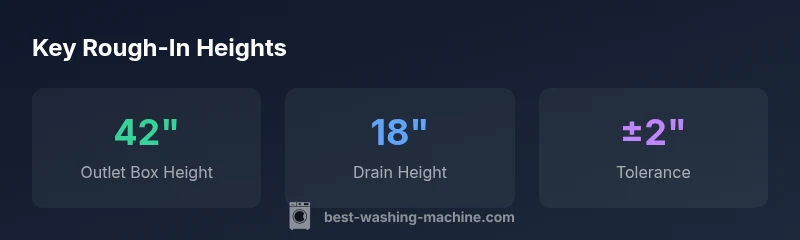
Typically, the washing machine box rough-in height is about 42 inches above the finished floor, with a ±2 inch tolerance. The drain opening sits around 18 inches high, while hot and cold valves align near 42 inches to allow slack in hoses. Always verify local codes and adjust for your washer type.
Why Rough-In Height Matters
The phrase washing machine box rough in height describes how high the wall outlet box should sit before the washer is installed. Getting this height right matters because it affects hose slack, drainage, electrical clearance, and future service. An incorrect rough-in height can cause leaks, kinks in hoses, or costly rework. Proper planning, alignment with the washer height, and adherence to local codes help ensure a clean, durable hookup. According to Best Washing Machine, proper rough-in height is critical for a leak-free setup.
Typical Heights and Standards
Across many residential installations, the outlet box rough-in height is commonly set around 42 inches from the finished floor. The drain opening is typically placed around 18 inches high, with the hot and cold valves aligned close to the same height to minimize hose strain. Keep in mind that washer models vary in base height, and local plumbing codes may adjust these figures. When planning a renovation, compare your measurements to manufacturer recommendations and local code requirements.
Measuring and Marking Your Wall Box
Begin by confirming the finished floor level, then measure upward to the target rough-in height. Use a level to ensure the line is perfectly horizontal, and mark the wall with a pencil or painter's tape. If you are installing new studs or a boxed niche, verify stud positions and existing plumbing in the wall before cutting. Precision reduces the need for rework and ensures the washer will align with hoses and connections without strain.
Aligning the Drain and Valves
The drain stub-out height should complement the box design and trap configuration. Position the drain opening so the washer hose reaches without stretching or kinking, and maintain a proper fall into the P-trap. Valves should be accessible with the washer in place, typically around the same height as the box’s top, so supply hoses lay slack and do not kink. Clearances around the box must accommodate hoses, filters, and any future service.
Electrical and Water Supply Considerations
Electrical outlets should be placed at a safe distance to prevent splash or water intrusion, following local electrical codes. Ensure a grounded 120V outlet dedicated to the washer with GFCI protection if required by code. Water supply lines must be compatible with local plumbing standards, including backflow prevention where applicable. Always choose a washing machine box height that maintains safe access to both the valve handles and the power outlet.
Front-Loader vs Top-Loader Rough-In Differences
Front-load washers typically have shallower base profiles and shorter hoses, but the rough-in height around 42 inches remains a solid starting point. Top-load models often have taller bases, which might demand slightly different hose lengths and valve placement. In both cases, ensure the outlet box height supports the washer base, leaves space for door clearance, and avoids hose tension. If in doubt, verify with the washer manufacturer’s installation guide.
Common Installation Mistakes to Avoid
Avoid placing the outlet box too high or too low, which can cause leaks or insufficient hose slack. Do not ignore finished-floor thickness when flooring is added after rough-in. Misaligned valves or drain can lead to leaks, backups, or forced rework. Always recheck measurements after any flooring changes and before final mounting.
Special Scenarios: Cabinets, Raised Floors, or Sloped Surfaces
In kitchens with raised floors, below-counter cabinets, or sloped subfloors, you may need an adjustable or remodeling box. These boxes allow height refinements without reworking studs. For renovations, plan for vapour barriers and ensure the install remains accessible for service. Seek a professional if you encounter unusual wall geometry or structural constraints.
Documentation and Verification for Renovations
Keep a written record of all rough-in measurements, including the finish floor height and any deviations from standard recommendations. Take photos during rough-in and after installation for warranty and maintenance purposes. If you relocate connections later, you’ll thank yourself for the clear references and plans.
Rough-in heights for common washer connections
| Component | Recommended rough-in height | Notes |
|---|---|---|
| Outlet box | 42 inches (±2) | Align with washer base and hoses |
| Drain | 18 inches | Match with P-trap and floor slope |
| Water valves | 42 inches (±2) | Keep hoses slack and accessible |
| Finished floor height | Variable | Account for flooring material thickness |
FAQ
What is the typical rough-in height for a washing machine outlet box?
Most installations use about 42 inches from the finished floor, with a ±2 inch tolerance. The drain is commonly around 18 inches high, and valves align with the washer height. Always check local codes and manufacturer guidance.
Most setups sit the outlet box around 42 inches high with a drain at about 18 inches. Check your local codes.
Can rough-in height vary by washer type (front-load vs top-load)?
Yes, some variations exist due to base height and hose lengths. 42 inches is a solid starting point, but always consult the washer’s installation guide and your plumber.
Front-loads and top-loads can need slight adjustments, but 42 inches is a good starting point.
What if the wall doesn’t support standard heights after a remodel?
Use a remodel box or adjust with a professional. Ensure compliance with local codes and avoid creating new leaks or clearance problems.
If standard heights don’t fit, consider a remodel box or a pro to adjust safely.
Do local codes affect rough-in height?
Yes. Codes vary by city and state, so verify with the local building department and follow the installation guide.
Yes—code requirements vary; always check with your local building department.
How do I verify the height after installation?
Measure from the finished floor to the top of the box or center of connections and compare with the washer design. Recheck after flooring changes.
Measure after install to ensure it matches your plan, and recheck if flooring changes.
Is there a difference between finished floor height and subfloor height?
Yes. Finishing materials change final height; account for carpet, tile, or laminate when calculating rough-in.
Yes—the final height changes with flooring materials; plan accordingly.
“Rough-in height consistency reduces leaks and service calls; precise measurements save time and material. Small variances can compound into costly fixes later.”
The Essentials
- Verify rough-in height before mounting any wall box
- Align drain and valves to washer base for slack
- Check local codes and manufacturer specs
- Document measurements for future service