Washing Machine Overflowing Drain Pipe: Troubleshooting Guide
Urgent troubleshooting guide for a washing machine overflowing the drain pipe. Learn how to diagnose clogs, inspect hoses and standpipes, test fixes, and know when to call a professional. Best Washing Machine


Most likely cause: a clogged drain hose or standpipe. Quick fix: unplug the machine, shut off the water supply, and move the unit away from the wall. Inspect the drain hose for kinks or blockages and remove any debris. Ensure the hose is properly inserted into a standpipe of suitable height and that the drain is clear before testing with a short cycle. If overflow continues, seek professional help.
Why Overflow Happens
According to Best Washing Machine, most overflow incidents are not a sign that the washer is about to explode or fail catastrophically; they are usually a symptom of a drainage path problem. Debris such as lint, hair, coins, or detergent buildup can accumulate in the drain hose, the pump filter (if accessible), or the standpipe, creating a bottleneck that water cannot clear quickly enough. Additionally, improper hose routing, a hose that is pinched or crushed, or a standpipe that is too short or too tall can force water back into the basin or drum. Understanding these factors helps homeowners identify what to check first, without guessing at the mechanism behind the overflow. In many cases, a simple hose adjustment or cleaning resolves the issue. Regular maintenance reduces the odds of recurring backups and common overflow scenarios.
Safety First: Immediate Steps
Before you touch any internal components, prioritize safety. Unplug the washer from the outlet and turn off the hot and cold water supply valves. If water has spilled onto the floor, use towels or a mop to minimize slip hazards and to protect surrounding cabinetry. Do not rely on the machine being empty; water can back up during the next fill cycle. If you must move the washer, disconnect hoses and keep the area dry to prevent accidents. Wear gloves and eye protection when handling potentially dirty water. After securing power and water, locate the drain hose at the back of the machine. Visually inspect for kinks, pinches, or detritus lodged inside the hose or connectors. A quick, cautious bend and straightening often restore proper drainage. Finally, prepare for a controlled test by placing a towel, a bucket, and a shallow pan nearby to catch any overflow during reassembly or testing.
Common Causes: Drain Hose, Standpipe, and Venting
Overflow is frequently caused by simple missteps in the drainage path. A clogged drain hose or filter reduces flow capacity and can back up water into the tub. A blocked standpipe or building drain creates a backpressure that translates into overflow at the washer. Misrouted or overly long hoses can create a siphon effect that drags water into the plumbing. If hoses are connected with clamps that are too tight or too loose, leaks and backflow can occur. Venting is rarely the primary culprit in a home laundry setting, but blocked vents can contribute to drainage issues when multiple fixtures are used concurrently. By analyzing each component in the drain path, you can isolate the most probable cause and test a targeted fix without taking apart the entire machine.
How to Inspect the Drain Hose and Hose Connections
Start by unplugging the unit and removing the rear or access panel if needed. Detach the drain hose from the standpipe and inspect it inside for clogs or lint buildup. Use a flexible brush or a long pipe cleaner to remove debris from the interior. Reattach the hose with secure clamps and ensure it is fully inserted into the standpipe without being crushed or kinked. Check the connection with a brief water fill test—watch for backflow or unexpected resistance. If you notice a loose connection or a damaged hose, replace it rather than attempting a temporary repair. For homes with accessible filters, clean or replace the pump filter as per the manufacturer’s guidance. A clean, properly seated hose is a critical step toward stopping overflow.
Checking the Standpipe and Drain System
Inspect the standpipe height and the wall drainage configuration. Standpipes typically require a specific height range to prevent siphoning; if the pipe is too short, the drum may push water up and out. If the standpipe is clogged, use a plumber’s snake or flexible auger to clear the line from the standpipe opening. Avoid chemical drain cleaners that can corrode hoses and fixtures. If you share a drain with other fixtures, place caution signs and limit usage until the block is cleared. For multi-story homes, consider consulting a plumber to assess the overall drainage layout and ensure proper venting. After clearing the standpipe, run a short cycle with no load and monitor for any overflow signs.
Preventing Overflow in Everyday Use
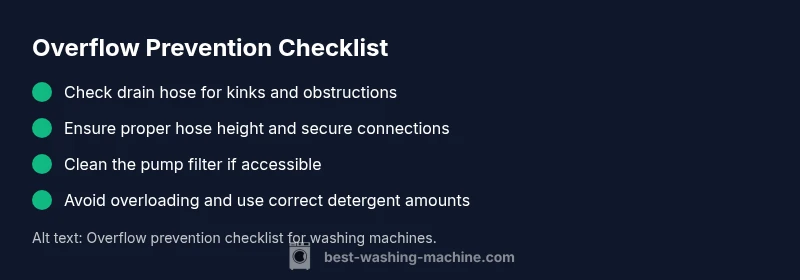
Prevention starts with mindful loading, correct drain hose positioning, and periodic maintenance checks. Do not overload the washer; evenly distribute clothes to avoid unbalanced loads that can cause rapid fills. Ensure the drain hose height falls within manufacturer recommendations (usually a specified range in inches or centimeters) and that it is not inserted too deeply into the standpipe. Regularly inspect hoses for cracks, bulges, or signs of wear and replace damaged hoses immediately. Clean the lint filter or pump screen when accessible and review detergent usage—excess suds can contribute to overfilling and backflow. Keeping the area dry and free of clutter helps you notice changes in drainage promptly and prevents slip hazards.
When to Call a Professional
If your checks do not resolve the overflow, or if you suspect a deeper drainage problem, it is wise to contact a professional. A licensed plumber or appliance technician can assess standpipe design, building drain integrity, and the washer’s level sensor or pressure switch. In some cases, persistent overflows indicate a faulty pressure sensor or a failing water inlet valve that requires replacement. Lack of airflow in vented plumbing or a shared drain with multiple fixtures can also be underlying causes requiring specialized tools. Don’t hesitate to seek professional advice when basic troubleshooting does not restore normal drainage or when diagnostics involve disassembly of internal components.
Quick Fixes You Can Try Right Now
If you are comfortable with basic troubleshooting, perform a quick next steps checklist: 1) unplug and shut off water; 2) straighten and clean the drain hose; 3) ensure proper standpipe connection and height; 4) run a test cycle with a shallow load and watch the drain; 5) dry the area to prevent slips. If the water continues to rise in the drain, stop the cycle and call a professional to avoid potential water damage or electrical hazards. Safety first continues to be essential during every attempt.
Steps
Estimated time: 45-60 minutes
- 1
Power down and secure the area
Unplug the washer and switch off the water supply to prevent accidental shocks and leaks. Move the unit slightly away from the wall and place a bucket or towels nearby in case water leaks as you access the drain hose.
Tip: Keep pets and children away from the work area. - 2
Inspect the drain hose for kinks and obstructions
Disconnect the drain hose from the standpipe or laundry sink. Look for kinks, bulges, or lint buildup inside the hose. Clear any visible debris with a long flexible brush or by flushing with water.
Tip: Do not force debris through the hose; remove and clean thoroughly. - 3
Check hose connections and clamps
Ensure the hose is firmly connected to both the washer and standpipe, with clamps tight but not over-tightened. Replace damaged clamps or hoses as needed.
Tip: Use new clamps for a secure seal. - 4
Test the drain path without a full load
With no clothes, run a short cycle to observe drainage. Watch for backflow or water rising in the standpipe. If overflow recurs, proceed to deeper drain checks.
Tip: Have towels ready to catch any residual water. - 5
Inspect the standpipe and drain system
If possible, inspect the standpipe opening for blockages. Use a plumber’s snake to clear any obstruction in the pipe from the standpipe end; avoid chemical drain cleaners.
Tip: Never mix chemicals with standing water in a shared drain. - 6
Check for overloading or unbalanced loads
Ensure you are not overloading the drum; an unbalanced load can cause cycles to fill unevenly and overflow. Redistribute clothes evenly before the next test run.
Tip: Small, balanced loads drain more predictably. - 7
Verify water level sensor and valve operation
If overflow continues despite drainage checks, the washer’s water level sensor or inlet valve may be malfunctioning. This typically requires professional service or replacement.
Tip: Do not attempt to replace sensors without guidance. - 8
Document and plan next steps
Record what you checked and what worked or didn’t. If the issue persists, contact a professional with a detailed report to speed up diagnosis.
Tip: Keep your warranty or service contacts handy.
Diagnosis: Washing machine overflowing drain pipe during or after fill
Possible Causes
- highClogged drain hose or filter
- highBlocked standpipe or building drain
- mediumKinked or crushed drain hose
- mediumIncorrect drain height or hose installation
- lowFaulty water-level sensor or pressure switch
Fixes
- easyShut off power, disconnect hoses, straighten hose, and clear visible blockages
- easyClean pump filter (if accessible) and remove any lint or debris from the hose inlet
- easyAdjust drain hose height to recommended range and reattach securely
- mediumRun a test with a small load and watch for overflow, then use a drain snake for deeper blockages
- hardIf sensor or valve is suspected, arrange professional diagnosis and component replacement
FAQ
What is the most common cause of a washing machine overflowing through the drain pipe?
The most common reason is a clogged drain hose or blocked standpipe. Debris can accumulate over time, causing water to back up. Regular cleaning helps prevent this.
Most overflows come from a clogged drain hose or standpipe, so start with a hose and standpipe check.
What should I do first when I notice overflow?
Shut off power, stop the water supply, and remove excess water with towels. Then inspect the drain hose for kinks and clear any obstructions.
First, unplug, shut the water, and clean up while you inspect the hose.
Can this be prevented with routine maintenance?
Yes. Regular hose checks, filter cleaning, and keeping loads balanced reduce overflow risk and extend the life of the drain pathway.
Regular hose checks and clean filters help prevent overflow.
Is there a safe way to clear a clogged drain hose myself?
Yes. Detach the hose, remove debris by hand or with a flexible brush, rinse, and reconnect. Avoid harsh chemicals and test for proper drainage after reassembly.
You can clear the hose and test drainage, but avoid harsh cleaners.
When is professional help required?
If the standpipe is blocked, the drainage system is complex, or the sensor/valve seems faulty, contact a licensed plumber or appliance technician.
Call a pro if the standpipe is blocked or sensors seem faulty.
Watch Video
The Essentials
- Check drain hose and standpipe first.
- Unplug, shut water, and inspect connections before testing.
- Keep the area dry and use a test cycle to verify fixes.
- The Best Washing Machine team recommends routine maintenance to prevent clogs.