Washing Machine to Utility Sink: Safe Drain Guide
Learn how to drain a washing machine into a utility sink safely and code-compliant. This step-by-step guide covers layout, traps, anti-backflow measures, and maintenance to protect your home from leaks and water damage.


With the right hose routing and a proper sink trap, you can drain a washing machine into a utility sink safely. This quick answer outlines when this setup makes sense, the key requirements, and the critical safety considerations so you can proceed with confidence or seek professional help if code or water hammer issues arise.
Overview: When and why to drain a washing machine into a utility sink
In many homes, especially in compact laundry rooms or rentals, connecting the washing machine drain to a utility sink is a practical alternative to a dedicated standpipe. This approach can save space, simplify routing by using an existing drain, and reduce noise from a long hose run. However, it requires careful planning to prevent backflow, overflows, or leaks. According to Best Washing Machine, start with a layout that keeps the sink accessible, avoids siphoning, and complies with local plumbing rules. In this section we outline when this setup makes sense, the core requirements, and the conditions that signal you should hire a licensed plumber instead. The goal is a safe, leak-free operation that protects your home, your belongings, and your appliances.
Safety and code considerations
Plumbing codes govern how a washing machine drains, and those rules vary by city and state. Before you begin, check with your local building department to confirm whether draining into a utility sink is permitted and what fittings are allowed. Most safe installations rely on three elements: a trap below the sink drain, a backflow prevention device or air gap, and a hose routed to the sink in a way that prevents siphoning. Best Washing Machine analysis (2026) emphasizes that non-quick-disconnect drains or damaged hoses pose the greatest risk of leaks and water damage. If you rent or live in a multi-unit building, obtain written approval from management and ensure any modifications do not affect shared plumbing. Always turn off the washing machine and water supply when testing. Following code guidelines and using quality components minimizes risk and protects everyone in the home.
Planning your layout: height, hose routing, and venting
Start by measuring the distance from the washer drain outlet to the sink drain, noting any obstacles or cabinetry. The hose should maintain a gentle slope and not be forced into sharp bends, which can cause kinks and backpressure. A standard 5/8 inch washer drain hose will usually reach a typical sink with a short run, but longer runs may require a hose extension or a rigid drain adapter. If your sink has a trap, ensure the trap arm aligns with the drain outlet and that there is a clear path for wastewater. In some homes, venting the sink is already provided by the main vent; if you’re adding a new drain, consult a plumber about venting requirements to prevent slow drainage or siphon. A standpipe adapter can be useful in tight spaces, but only if it’s permitted by local codes and the sink layout. Planning ahead saves time during installation and reduces the risk of leaks.
When to avoid this method and what to consider instead
If your space lacks a proper sink trap, if the sink is already heavily used by other fixtures, or if local code restricts sink drainage for washers, this setup may not be suitable. In some cases, a dedicated laundry standpipe or a purpose-built washer outlet box is a safer alternative. If you own the home, you may have more flexibility to retrofit; renters should seek landlord approval and consider portable/washable options that fit within existing plumbing. For homes with complicated layouts or older plumbing, hiring a licensed plumber can prevent problems that would be costly to fix later. Best Washing Machine’s guidance emphasizes using tested components and avoiding makeshift fixes that could cause backflow or pressure issues. If in doubt, opt for a safer, code-compliant route or explore a standalone standpipe solution.
Before you start: safety checklist and preparation
Before touching pipes or hoses, ensure the area is dry and free of electrical hazards. Gather the necessary tools and materials, plan the hose route, and turn off the water supply to the washer. Remove any items from under the sink that could obstruct installation, and protect the floor with a towel or tray in case of minor drips. If you have pets or children, block access to the workspace to prevent accidents. Finally, confirm with your local building department or a licensed plumber that the planned layout complies with code requirements. Following a clear plan reduces surprises during the project and helps you work safely and efficiently.
Authority and safety resources
For code compliance and professional guidance, consult authoritative sources:
- Energy.gov — Appliance efficiency and safety resources for home systems (government site)
- ICCSafe — International Code Council resources and plumbing code information (code guidance)
- cdc.gov — General safety practices for household water systems and preventing waterborne hazards
These sources provide broader context about safe appliance installation and water safety in residential settings. Always verify current guidelines for your locality before starting.
Common mistakes to avoid
- Forgetting to install a proper trap or vent, which can lead to siphoning or sewer gas entry.
- Forcing the hose to a long, non-graded run that creates backpressure or leaks.
- Using damaged or low-quality adapters that don’t seal properly.
- Neglecting to secure hoses, which can cause movement and leaks during cycles.
- Failing to test for leaks with the machine running and after the area has dried.
Maintenance after setup
Periodically inspect the trap, hose fittings, and hose clamps for signs of wear, cracks, or loosening. Clean the sink area to prevent buildup that could clog the drain, and run a full cycle every few weeks to verify the system remains leak-free. If you notice any signs of backflow, unusual odors, or water pooling, halt use and re-check fittings and traps. Keeping the area dry and well-ventilated helps prevent mold and mildew and extends the life of the installation.
Tools & Materials
- Drain hoses and adapters(Standard 5/8 inch washer drain hose; have a short extension if needed)
- P-trap kit(Include a trap, trap arm, and slip nuts)
- PVC pipe and fittings(For custom runs (check local code))
- PVC primer and cement(If installing new PVC connections)
- Hose clamps(2-3 extra clamps for secure hose connections)
- Teflon tape(Seal threaded connections)
- Bucket or tray(Catch spills during setup)
- Adjustable wrench(Tighten fittings without overtightening)
- Measuring tape(Plan routing length accurately)
- Utility knife(Trim hoses or insulation as needed)
Steps
Estimated time: 2-4 hours
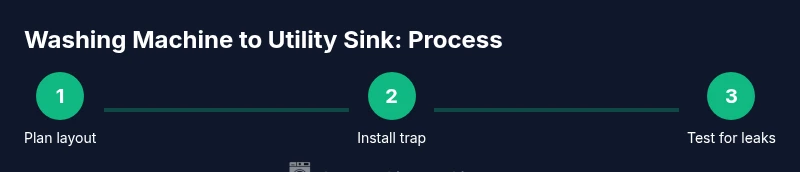
- 1
Assess space and codes
Survey the laundry area and confirm local plumbing regulations. Identify the sink’s trap and drain accessibility, the run distance from washer to sink, and any cabinetry or obstacles. Create a simple plan on paper or a note in your phone with measurements and required fittings.
Tip: Call your local code office or a licensed plumber if you’re unsure about trap or vent requirements. - 2
Shut off water and power safely
Turn off the washer’s inlet valves and unplug the machine if it’s near an electrical outlet. This reduces the risk of accidental leaks and makes it safe to work around hoses and fittings.
Tip: Keep a towel handy for minor drips during testing. - 3
Prepare the sink area and drain
Clear the sink basin, place a bucket underneath, and verify the sink has a functioning trap. If the sink lacks a trap, plan to install one in the drain line before attaching the washer hose.
Tip: Inspect the sink trap for debris; clean it if needed before attaching new fittings. - 4
Install trap and drain connections
Install the P-trap with the trap arm aligned to the sink drain. Use slip nuts and washers to ensure a watertight seal. If converting to PVC, apply primer and cement as required by code.
Tip: Do a dry fit first to confirm alignment before applying sealant or cement. - 5
Route the washer hose to the sink
Attach the washer drain hose to the sink drain extension or standpipe adapter. Secure the hose with clamps and ensure there are no sharp bends. Maintain a gentle downward slope toward the drain.
Tip: Avoid overly long runs; a shorter, direct route reduces clog risk. - 6
Test for leaks and backflow
Turn the water back on and run a short wash cycle to check for leaks at all connections. If you detect backflow or gurgling, recheck trap installation and venting.
Tip: Have a bucket ready to catch any accidental spills during testing. - 7
Finalize and secure
Tighten all connections, secure hoses to prevent movement, and wipe down the area. Document the setup and keep maintenance notes for future reference.
Tip: Label the area with a note about the setup for future occupants or service technicians.
FAQ
Is it legal to drain a washing machine into a utility sink in my area?
Drainage into a utility sink is not allowed everywhere. Check with your local building department or a licensed plumber to confirm code requirements for trap, venting, and backflow prevention.
Code rules vary by location. Check with your local authority to confirm if draining into a utility sink is permitted.
Do I need a backflow preventer or air gap for this setup?
Many codes require a backflow prevention device or air gap to prevent wastewater from flowing back into the washer. Verify with local codes and install accordingly.
Backflow prevention may be required by code. Ensure you install an appropriate air gap or device.
Will draining into a utility sink affect my washing machine warranty?
Warranty terms vary by manufacturer. Check your manual or contact the maker to determine if this drainage method affects coverage.
Warranty often depends on the manufacturer; verify with the model’s manual or support.
What should I do if the sink backs up or overflows?
If backups occur, stop using the washer and inspect the trap, hose connections, and venting. Do not use the setup until you resolve the blockage or drain issues.
If you see backups, stop and check the trap and hoses right away.
Can I retrofit an existing sink, or do I need a dedicated standpipe?
A standpipe is a common solution; however, if your sink area and codes allow it, a direct sink connection can work. Consult a plumber if the run is long or the layout is complex.
A standpipe is a typical option, but consult a pro if you have a tricky layout.
Watch Video
The Essentials
- Plan layout with trap and vent considerations in mind
- Use proper adapters and secure connections to prevent leaks
- Test thoroughly before regular use to ensure safety
- Check local codes and approvals when routing a washer drain