Washing Machine Water Valve Repair: A Step-by-Step Guide
Learn how to diagnose and repair your washing machine water inlet valve with a practical, safety-focused step-by-step approach. From safety prep to testing for leaks, this guide covers tools, parts, and maintenance tips to prevent future valve failures.


Goal: Fix a leaky or faulty water inlet valve on a washing machine. You’ll locate the valve at the rear, shut off the household water supply, disconnect power, relieve pressure, and replace the valve cartridge or gasket. This repair often requires basic tools and can save a pricey service call when done carefully following safety steps.
Understanding the washing machine water valve repair
Understanding what goes wrong with the water inlet valve is the first step in a successful repair. The inlet valve controls water flow into the drum, and a failing valve can cause leaks, inconsistent fill, or no water at all. According to Best Washing Machine, recognizing the symptoms—such as constant running water, rapid valve cycling, or visible seepage around the valve body—helps you decide between gasket replacement, valve cartridge replacement, or hose re‑seating. This section explains how the valve operates within typical washer designs (front-load, top-load, and compact models) and what to expect during a typical repair. The goal is to empower homeowners, renters, and small-business operators to tackle common inlet-valve faults without professional service costs.
In most homes, the valve is a solenoid‑activated component mounted where the hot and cold lines attach to the rear of the machine. When energized, it opens to allow water flow; when de-energized, it closes. Debris, mineral buildup, or worn seals can cause sticking or leaks. Before you touch anything, confirm you understand the symptom: is water entering continuously, or is there no water at all? This clarity will guide your replacement or gasket option and minimize the risk of additional damage to water lines or electronics.
Safety first: shutoffs, power, and readiness
Safety is the foundation of any DIY appliance repair. Begin by turning off the home water supply at the shutoff valves to prevent further water flow. Unplug the washing machine to avoid any electrical risk, and if possible, switch off the circuit breaker that powers the washer. Have a shallow pan or towels ready to catch any residual water in the hoses or valve body. Keep a flashlight handy because you’ll often work with limited lighting behind the unit. If you notice damaged hoses, bulging clamps, or corroded threads, plan to replace those parts in the same session to reduce the chance of rework. Finally, confirm you’re using the correct replacement inlet valve compatible with your model. The Best Washing Machine team recommends verifying the part number in your user manual or manufacturer site before purchasing.
Safety note: never work on electrical components while the inside of the cabinet is wet. If you’re unsure about any step, pause and seek guidance from a qualified technician.
Locating the inlet valve and preparing your workspace
Locate the water inlet valve by removing the rear access panel or toe-kick panel depending on your model. You’ll see two water hoses connected to brass fittings and a small electrical connector or two coming from the valve body. Take photos before disconnecting anything; this creates a reference if the wiring looks different after reassembly. Clean the area around the valve to prevent dirt from entering the fittings during disassembly. Lay towels on the floor to catch drips and use a shallow container to hold any loose bolts or nuts. Ensure you have the right tools: a screwdriver, an adjustable wrench, and a few rags for catching moisture. When you’re ready, confirm the machine is fully disconnected from power and water—the absolute minimum safety standard for this task.
If you encounter a stubborn panel screw, use a magnetic screwdriver to avoid losing small fasteners. Don’t force fittings—valve threads can cross or strip if overtightened. If the machine is under a warranty, consider consulting the manufacturer’s guidance before removing panels, as some warranty terms may be voided by user disassembly.
Replacing the valve or gasket: step-by-step guidance
This section covers two common paths: replacing the inlet valve assembly or swapping only the gasket if the valve itself is still functional but leaking at the seal. Start by disconnecting both supply hoses from the valve and inspecting the washer seats for wear. If the valve is faulty, remove the electrical connector and unscrew the mounting nut or screws holding the valve in place. Install the new valve using Teflon tape on threaded connections to prevent leaks, then reattach hoses and reconnect the wiring according to the photos you took earlier. When replacing the gasket, remove the old gasket, clean the seat, apply a new gasket, and reseal the valve. After installation, gently snug all fittings—avoid overtightening, which can crack plastic components. Reconnect power and water and prepare for testing.
If your model uses a push-on hose connection, ensure the hose clamps are secure and the hoses are not kinked. If you notice resistance when threading the valve, back off and check alignment before re‑tightening. For some units, a short purge of the valve by briefly energizing the circuit may help seat the new seal; consult the manual to confirm whether this is advised for your model.
Testing for leaks and validating the repair
With the valve installed, turn on the water supply slowly and inspect all connections for drips. Plug in the machine and run a test cycle with no laundry to avoid overflow. Observe the valve during the initial fill—the valve should click open and shut as programmed, and water should fill in a steady, controlled manner. If you see leaks around the valve threads or hose connections, tighten the fittings a quarter-turn at a time and recheck. If leaks persist, consider re-seating the valve or replacing the gasket again, making sure the mating surfaces are clean and free of old sealant. Document any anomalies you notice, such as unusual noises when waters enters or strange odors that might indicate mold or contaminated water.
Persistent leaks after replacement may indicate a secondary issue, such as a damaged shank or a swollen hose that undermines the seal. In that case, perform a more thorough inspection of the valve area, and if needed, replace the entire valve assembly or contact a technician for a diagnostic check.
The goal is not just to stop the leak but to ensure the valve operates smoothly under typical cycle conditions. After the test, wipe down the area and run a short rinse cycle to further verify stability.
Troubleshooting common issues after repair
Even a correctly installed valve can present issues if there’s residual debris, improper alignment, or a hidden crack in a plastic fitting. If water continues to drip after a repair, double-check the orientation of the valve and ensure you didn’t accidentally cross-thread a connection. A quick verification step is to retighten hose clamps and inspect the gasket surfaces for nicks or tears. If the valve cycles abnormally or fails to fill, test the electrical connector and ensure the wiring harness isn’t loose or damaged. In some cases, replacing the valve wiring harness or the entire valve body is the most reliable long-term fix. Always test again after any adjustment to confirm the repair holds up under load.
For models with complex valve assemblies, reference your model’s service manual for torque specs and correct sealant recommendations. If you’re unsure about torque levels, ask a professional to avoid overtightening, which can crack the valve or the inlet fitting.
Maintenance tips to prevent future valve failures
Regular maintenance can extend the life of your washing machine water valve and prevent future leaks. Periodically inspect the inlet hoses for brittleness, cracks, or bulges, and replace them every few years or immediately if damage is evident. Use high-quality, vibration-resistant hoses and avoid kinking or bending hoses at sharp angles. Keep the valve area clean and dry after each wash to minimize mineral buildup around the valve seats. Consider installing a simple inline filter if mineral deposits are common in your water supply. When not in use, ensure the machine is completely drained and that the water supply is fully turned off to extend the life of all valve components. The Best Washing Machine team emphasizes that routine checks before and after heavy laundry cycles dramatically reduce the risk of leaks and water damage.
When to call a professional and warranty considerations
Some washing machine models use sealed valve assemblies or have specialized connectors that require professional servicing. If you observe chronic leaks after replacement, if the valve is embedded in a difficult-to-reach area, or if your warranty terms restrict DIY repair, it’s prudent to contact a licensed technician. Working with high‑pressure water lines and electrical components can pose safety risks, and improper reassembly may void warranty protection. Before you proceed with any repair, check your appliance’s warranty status and manufacturer guidance. In many cases, a professional repair can prevent more costly damage from water leaks or electrical shorts. Best Washing Machine suggests weighing DIY savings against potential risks and warranty implications to determine the best path forward.
Tools & Materials
- Adjustable wrench(Fits most inlet valve nuts 10-14 mm)
- Phillips screwdriver(Standard size for rear panel screws)
- Flat-head screwdriver(For prying panels or removing stubborn clamps)
- Pliers(For hose clamps and fittings)
- Teflon tape(Wrap 2-3 turns on threaded connections)
- Replacement inlet valve assembly(Ensure model compatibility before purchase)
- New inlet valve gasket(Optional if gasket wear is present)
- Towels or shallow pan(Catch leaks and drips)
- Multimeter (optional)(Check valve coil continuity if needed)
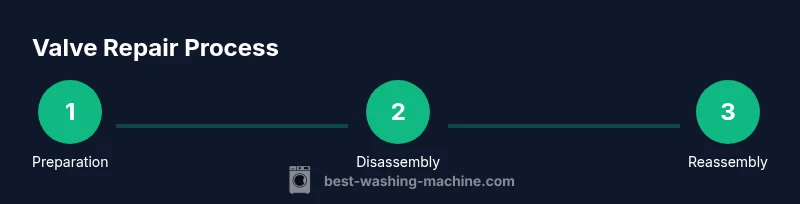
Steps
Estimated time: 60-90 minutes
- 1
Power down and prep
Shut off the home water supply, unplug the washer, and pull it away from the wall. Remove moisture with towels, and ensure the area is well lit. This step prevents electrical shock and water damage and sets the stage for a clean disassembly.
Tip: Take a quick photo of wiring and hose connections before disconnecting anything. - 2
Access the inlet valve
Remove the rear panel or toe-kick panel according to your model to expose the valve. Identify the two supply hoses and the valve’s electrical connector. Loosen the mounting hardware, but do not remove it completely yet.
Tip: Support hoses with a towel to prevent them from slipping out and spilling water. - 3
Disconnect hoses and wiring
Carefully detach the hot and cold supply hoses and unplug the valve’s electrical connector. Inspect hose clamps and replace if they’re corroded or stiff. Place hoses in a safe location to avoid kinks during reassembly.
Tip: Label each hose if you’re worried about mismatching them during reassembly. - 4
Remove the old valve
Unthread the valve from the chassis and gently lift it away. Check the seat for mineral buildup or cracks. If you’re replacing the valve cartridge, detach the old valve and examine the connector for corrosion.
Tip: Use a thread-sealing tape cautiously; avoid over-taping which can squeeze threads and cause leaks. - 5
Install the new valve or gasket
Position the new valve, snug the mounting hardware, and apply Teflon tape to threaded connections as needed. Reconnect hoses and wiring, ensuring a snug but not overtightened fit. If you’re replacing a gasket, set the new gasket in place and reseat carefully.
Tip: Always ensure the valve is aligned with the rear housing before tightening. - 6
Test the repair
Reconnect power, slowly turn on the water supply, and run a short test cycle without laundry. Look for drips at all connections and verify proper valve operation with the water inlet cycling in and out.
Tip: If you notice a drip, immediately power down and recheck the sealant and threads. - 7
Final checks and cleanup
After a successful test, clean the area, dry any moisture, and slide the washer back into its space. Keep spare parts and a small toolkit handy for future maintenance.
Tip: Record the exact valve model and date of replacement for future warranty or service needs.
FAQ
How can I tell if the water inlet valve is faulty?
Common signs include continuous water flow, no fill, or intermittent filling. Visual leaks around the valve or hoses also point toward a faulty valve. If the symptom persists after tightening connections, a replacement is likely needed.
Signs of a faulty valve include continuous leaks, incorrect filling, or no water entering the drum. If tightening hoses doesn’t help, consider replacement.
Can I repair the valve instead of replacing it?
Some leaks can be resolved by replacing a gasket or reseating connections, but many modern inlet valves are sealed units that require replacement. Always consult your model’s manual and consider cost vs. potential damage from a failed repair.
Gaskets can be replaced in some cases, but many units require valve replacement. Check your manual before proceeding.
Do I need to turn off power and water?
Yes. Disconnect power at the plug and shut off the home water supply before starting. This prevents electric shock and water damage during disassembly.
Always power off and water off before beginning any repair.
How long does valve replacement take?
A typical valve replacement can take about 60-90 minutes for a DIY repair, depending on model accessibility and whether panel removal is required.
Most valve replacements take about an hour to an hour and a half if you have the right tools.
Will a replacement fix leaks from hoses as well?
If leaks originate at the hose connections, replacing the valve alone may not fix them. Check the hose clamps and seats, and replace any damaged hoses as needed along with the valve.
Leaking hoses need inspection too; fix clamps or replace hoses along with the valve if necessary.
Is DIY valve repair safe for warranty?
DIY repairs can affect warranty coverage depending on the model and terms. Check the warranty terms before starting and consider professional service if the warranty is active.
Check your warranty terms; DIY repairs can void coverage, so verify before you begin.
Watch Video
The Essentials
- Turn off water and power before starting
- Inspect hoses and valve seats for wear
- Use correct valve model and proper sealing
- Test for leaks after installation
- Document repairs for future service