Where Is Washing Machine Drain? A Practical Guide
Learn where the washing machine drain sits, how it connects to standpipes, and practical steps to inspect, clean, and prevent clogs. A comprehensive guide by Best Washing Machine for homeowners and pros.


Where is washing machine drain? It’s usually the hose outlet at the back of the unit, connecting to a standpipe or a dedicated drain. The hose directs wastewater into the building’s drain system. Most models have a flexible hose that slides into a standpipe, a sink, or a laundry tub. Check behind the washer and inside the bottom panel for the drain connection.
Understanding the drain system in washing machines
Every washing machine has a drain path that handles used water. In most homes, the drain is a flexible hose that exits the rear of the machine and leads into a standpipe, laundry sink, or dedicated drain. The exact layout depends on model type and installation. When you ask where is the washing machine drain, you’re usually looking for the hose end, the standpipe, and any quick-release clamps or anti-siphon features. In this section, we’ll map out the typical anatomy, explain how water moves through the system, and introduce common terms you’ll encounter, like 'drain hose', 'standpipe', and 'p-trap'. By understanding the basics, you’ll be prepared to locate and assess the drain quickly, regardless of whether you own a front-load or a top-load machine. This knowledge also helps with preventive maintenance and diagnosing backups.
Locating the drain on different models
The exact location of the drain varies by design. Front-load washers often have the hose connection at the rear, sometimes tucked under a small panel. Top-load models typically route the drain hose toward the back or side, with the hose outlet usually near the top edge of the cabinet. In many compact or apartment units, the drain hose may route downward into a shallow standpipe or a dedicated drain well. Always refer to the user manual for your specific model, but use these general rules of thumb: look behind the machine, check for a corrugated rubber hose, and identify the point where the hose ends inside the machine’s cabinet before the exterior run.
Drain connection options: standpipe, sink, direct drain
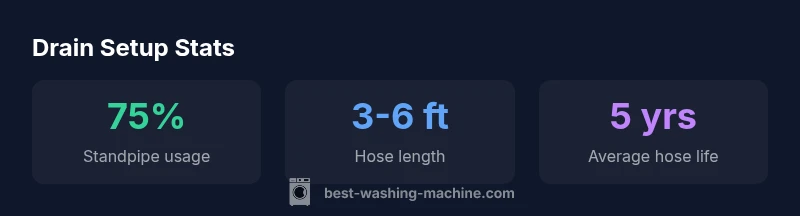
Most homes rely on a standpipe installed in the laundry area. The standpipe receives the drain hose and provides a deeper reservoir to prevent overflow. In some settings, the drain hose can go into a laundry sink or directly into a utility drain. Each setup has pros and cons: standpipes reduce splash and backflow risk, sinks can simplify access for maintenance, and direct drains require precise hose length and anti-siphon features. Ensure the standpipe height aligns with the hose outlet and that the cap or trap is intact. If your setup uses an elbow or adapter, verify there are no kinks that could slow drainage.
Signs your drain is failing
Backups, slow draining, or gurgling noises point to a drain issue. Visible standing water after a cycle or water spilling from the floor around the washer are clear red flags. A musty odor can indicate a trapped drain with sewer gases, especially if the trap is dry or blocked. Debris such as lint, hair, coins, or detergent residue can accumulate in the hose, standpipe, or trap, impeding flow. Regular inspection of the hose clamp, connection point, and standpipe top is essential. If you notice any leaks at the hose end, replace worn sections or tighten fittings as needed.
Safe, step-by-step checks you can perform
Before starting, unplug the washer and turn off the water supply. Disconnect the drain hose at the standpipe and drain it into a bucket to check for obstructions. Inspect the end of the hose for cracks or kinks and ensure the hose is not crushed where it passes through the cabinet. Check the standpipe opening for blockages and verify the trap is present and not clogged. If you have a lint screen or filter, clean it and run a short test cycle with only water to observe the drainage behavior. Reattach everything securely and run a full cycle to confirm steady flow.
Common installation quirks by building type
In apartments or older homes, landlords often install a shared standpipe or sink drain with limited vertical space. Basements may require a taller standpipe or a dedicated drain sump. In some regions, a backwater valve or anti-siphon device is recommended, especially in areas with frequent backflow. If you are renovating or moving, ensure the drain is compliant with local building codes and that the exit point is accessible for future maintenance. For floating or flexible hoses, avoid sharp bends that create bottlenecks and backpressure.
Maintenance tips to prevent clogs and backups
Regular maintenance is the best defense. Rinse the hose and standpipe with hot water every few months to loosen residue. Use a lint brush to remove visible debris from the hose inlet and check for kinks. If you notice lingering odors, run an empty hot-water cycle with a cup of white vinegar or baking soda solution every season. Replace worn hoses every few years and keep the hose end secured to prevent dislodgement during cycles. Avoid flushing solid items down the drain and ensure the detergent amount aligns with your washer’s guidelines.
Troubleshooting not draining or slow draining
If water remains after the cycle, start with simple checks: straighten kinks, reseat the hose clamp, and verify the standpipe is clear. A blocked lint trap or pump screen can masquerade as a drain issue; clean these components if your model provides access. For persistent problems, use a flexible rod or plumber’s snake to clear obstructions in the standpipe or drain line, but avoid forcing debris that could damage pipes. If backflow occurs, shut off the machine and call a professional to inspect the trap and venting system.
When to call a professional and what to expect
If basic checks don’t resolve the problem, a licensed plumber or technician should evaluate the installation. Expect a diagnostic visit that includes checking hose connections, standpipe depth, trap integrity, and venting. They may clear blockages with specialized tools, replace damaged hoses, or adjust the plumbing layout to meet local codes. Having model number, installation date, and a brief history of the drainage issue will help the technician diagnose quickly and accurately.
Common drain configurations for washers
| Drain Type | Location | Notes |
|---|---|---|
| Standpipe | Behind washer, near floor | Most common in apartments and laundry rooms |
| Sink Drain | Adjacent sink or tub | Requires longer hose and adapters |
FAQ
Where is the drain located on most washing machines?
Most washers have the drain hose at the back, connecting to a standpipe or sink drain. If you cannot find it, consult the user manual or look for a corrugated hose exiting the rear panel.
Most washers drain from the back, into a standpipe or sink drain. Check behind the unit or the back panel if you can’t see it.
What are common drain configurations I might encounter?
Common setups include a standpipe, a direct sink drain, or a tub drain. Each requires proper hose length and a secure connection to prevent leaks or backflow.
You’ll typically see a standpipe, a sink drain, or a direct drain. Make sure the hose length and connections are correct.
How can I tell if my drain is clogged?
Signs of a clog include standing water after a cycle, slow draining, gurgling, or wastewater backing up into the tub or sink. Check for kinks and blockages in the hose and standpipe.
Look for standing water after a cycle, slow drainage, or unusual gurgling sounds. Check the hose for kinks and blockages.
Do front-load and top-load washers have different drains?
Both types use a drain hose, but the routing can differ. Front-load models often route the hose to a rear standpipe, while some top-load units route to a side or bottom connection.
They both drain the same way, but the hose routing may differ between front-load and top-load models.
When should I call a professional for drain issues?
If simple checks don’t fix slow draining or backflow, or if you smell sewer gases, contact a licensed plumber. They can inspect traps, vents, and the overall plumbing layout.
Call a pro if simple fixes don’t work or you smell sewer gases. They’ll check traps and vents and diagnose the plumbing setup.
Can a damaged drain hose cause problems?
Yes. Cracked or kinked hoses can restrict flow or leak. Inspect for cracks and replace worn hoses to restore proper drainage.
A damaged hose can block drainage or leak, so inspect and replace if you notice wear.
“A solid understanding of your washer’s drain layout helps prevent backups and costly repairs. Regular inspection and timely maintenance are the easiest ways to keep drainage problems from disrupting laundry day.”
The Essentials
- Know the typical drain end: back of the washer to the standpipe.
- Match hose length to your standpipe height to prevent backups.
- Inspect connections regularly to catch leaks early.
- Clean the hose end and standpipe to prevent clogs.
- Call a pro if basic checks don’t fix slow draining or backflow.