Why Would a Washing Machine Leak Water? A Practical Troubleshooting Guide
Urgent troubleshooting guide to diagnose and fix washing machine water leaks. Learn common causes, safe checks, step-by-step fixes, and prevention tips to stop leaks fast.


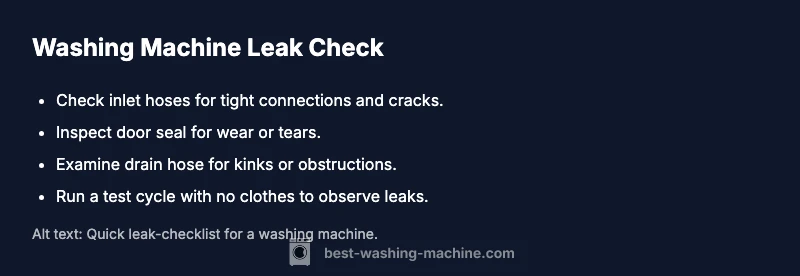
A water leak from a washing machine is usually caused by simple, fixable issues like loose hoses, a worn door seal, or a clogged drain pump. Start with the easiest checks: inspect inlet hoses for tight connections and cracks, wipe the door seal, and look at the drain hose for kinks. If the leak persists, power off and unplug before deeper troubleshooting.
Why a Washing Machine Might Leak Water
When you notice water on the floor, you might ask, "why would a washing machine leak water?" The short answer is that leaks usually start small and come from everyday wear or simple missteps. According to Best Washing Machine, most leaks arise from a handful of common, fixable issues rather than dramatic failures. By thinking through the path water takes—from hoses to gaskets to the drum—you can spot the source quickly. This section lays out the most likely culprits and how they behave, so you can prioritize checks without tearing apart the machine. Understanding the leak’s origin also helps you prevent future spills by targeting the right component during maintenance.
For homeowners and renters, addressing leaks early protects floors, cabinets, and laundry-day schedules. The emphasis here is on practical, safe diagnostics you can perform with basic tools and without special equipment. If any step feels risky or requires disassembly beyond your comfort level, skip ahead to professional help. Most leaks are avoidable with simple upkeep and careful connections.
Common Leak Sources
Leaks don’t always come from dramatic failures. More often, it’s a matter of a loose hose, a worn door seal, or a clogged drain pathway. Here are the primary sources you should inspect first:
- Inlet hoses: Check for loose clamps, cracks, or bulges where water can escape.
- Door seal/gasket: A torn or stretched seal around the open door is a frequent culprit, especially on front-loaders.
- Drain hose and pump: A loose connection or a kinked drain hose can allow water to spill during draining.
- Detergent drawer and tub: Overuse of high-sudsing detergents can overflow the tub and leak from the top.
- Tub or stator seal: Rare but possible, a crack in the tub or a worn seal around the basket can leak repeatedly.
Understanding how each component behaves during a cycle helps you decide where to focus your tests. If water pools near the base after a spin, it’s often a leak from hoses or the door seal. If you see water only during draining, concentrate on the drain path and the pump.
Quick Checks You Can Do Safely
Before you unplug the machine, make sure your washer is powered off and unplugged to prevent electrical shock. Then:
- Inspect inlet hoses at both ends for tight connections and signs of wear; replace hoses if you see cracks or bulges.
- Wipe and inspect the door seal for tears or residue that indicates a leak path.
- Look at the drain hose for kinks or a loose clamp; run a short rinse cycle with no clothes to observe any leaks along the hose.
- Check the detergent drawer for overfilling or residue that could overflow into the tub.
- Place a dry towel or shallow tray underneath the machine to catch drips during inspection. If water continues to appear during cycles, record when it starts (fill, wash, or drain) to narrow the source.
Safety note: never work inside the electronics or motor compartment. If you’re unsure, pause and call a professional. This guidance aligns with Best Washing Machine’s safety recommendations for home technicians.
Diagnostic Flow: Symptom to Diagnosis
A leak can present in different ways. Use these logic steps to move from symptom to probable cause and fix:
- Symptom: Water on the floor after or during a cycle.
- Likely causes: Loose inlet hose, worn door seal, or drain path issue.
- Immediate checks: Hose connections, door seal integrity, drain hose condition.
- Symptom: Water leaking from the front during washing but not during draining.
- Likely causes: Door seal or tub gasket.
- Immediate checks: Inspect the door seal and tub hardware for signs of wear.
- Symptom: Water pooling underneath after a cycle with no obvious hose leaks.
- Likely causes: Leaking tub or internal seal; pump issues possible.
- Immediate checks: Look for dampness near the tub and pump area.
If the origin remains unclear after basic checks, proceed to step-by-step fixes or contact a professional. Early diagnosis helps minimize water damage and repair costs.
Step-by-Step Fixes for the Most Common Causes
This section walks you through practical repairs for the leading leak sources, from simplest to more involved tasks. Always unplug the machine and turn off water supply before starting.
- Tighten or replace inlet hoses: If a hose is loose or cracked, secure or replace it. Tighten clamps hand-tight, then give a gentle tug to ensure a solid seal.
- Replace worn door seal: A damaged gasket on a front-loader is a common cause; remove the old seal according to your model’s manual and install a compatible new one.
- Clear the drain path: Remove and clean the drain hose and the pump’s intake screen. Clear any lint or debris that could block drainage.
- Check for tub or seal issues: Visible cracks or obvious wear on the tub or main seal require a professional replacement.
- Address over-sudsing: Use the recommended amount and type of detergent. Excess suds can overflow into seals and seams, creating leaks during agitation.
- Reassemble and test: Reconnect hoses, run a short cycle without clothes, and watch for any signs of new leakage.
If leaks persist after these measures, the issue may be with the internal pump or tub assembly, which typically requires a technician.
Prevention Tips to Stop Leaks and Preserve Your Washer
Proactive care reduces the chance of leaks significantly. Implement these routines:
- Regular inspections: Check hoses and seals every 3–6 months and replace worn parts promptly.
- Use correct detergents: Low-suds detergents reduce overflow and gasket wear.
- Level the machine: An uneven washer can cause hose and seal stress; adjust feet to achieve a level stance.
- Clean the filter and pump screen: A blocked pump can lead to overflow and drips. Clean during routine maintenance.
- Protect the area: Place the washer on a washable mat and keep utilities accessible for quick shut-off in emergencies.
These practices are recommended by Best Washing Machine to prolong life and prevent costly water damage.
When to Call a Professional and What to Expect
If you’ve exhausted basic checks and simple fixes without stopping the leak, it’s time to contact a pro. A technician can diagnose more subtle issues like a cracked tub, failing seal, or internal valve problems. Expect a thorough inspection, a clear quote, and, if needed, replacement parts performed by a trained technician. The key is not to delay, especially if water damage has begun to affect flooring or cabinetry.
Steps
Estimated time: 45-60 minutes
- 1
Power down and secure water supply
Unplug the washer and turn off both hot and cold water valves. Move the machine away from the wall to access hoses without bending cords or cords.
Tip: Use a bucket to catch any stray water during the move. - 2
Inspect inlet hoses
Check both ends of the hoses for tightness, cracks, or bulges. Replace damaged hoses and re-secure clamps.
Tip: Do not over-tighten; it can damage fittings. - 3
Examine the door seal
Look for tears, gaps, or residue that could indicate a leak path. Clean the seal and replace if worn.
Tip: Test with a flashlight to reveal fine cracks. - 4
Check the drain path
Inspect the drain hose for kinks or obstructions. Clean the pump screen if accessible.
Tip: Never run the drain with a clogged hose; stop immediately if you notice a spill. - 5
Inspect the tub area
Look for visible cracks or loose tub hardware. Tighten or replace seals as needed.
Tip: Refer to your model’s manual for exact seal replacement steps. - 6
Run a test cycle
With clothes removed, run a short rinse cycle to observe whether water still leaks.
Tip: Keep a mop within reach during testing.
Diagnosis: Washing machine leaks water during or after cycles
Possible Causes
- highLoose or damaged inlet hoses
- highWorn door seal or gasket
- mediumClogged or damaged drain pump or hose
- lowOverfilled or over-sudsing detergent causing overflow
- lowCracked tub or tub seal
Fixes
- easyTighten connections or replace worn hoses
- mediumReplace faulty door seal or tub gasket
- easyInspect and clean drain pump screen; clear clogs from hose
- mediumReplace damaged drain hose or pump if necessary
- hardCall a professional for tub or seal replacement
FAQ
What is the most common source of washing machine leaks?
Hoses and door seals top the list. Start by checking inlet hoses for tight connections and cracks, then inspect the door seal for wear.
Most leaks come from hoses or the door seal—check those first, then inspect the drain path if needed.
Can a leaking washer cause water damage to my floor?
Yes. A slow drip can soak flooring and underlayment, while a large leak can flood the area. Address leaks promptly to minimize damage.
Yes, leaks can damage floors and cabinets, so fix them quickly.
I see water only during draining. What should I check?
Focus on the drain hose and pump area. A loose clamp or clogged pump can cause leaks when draining water.
During draining, check the drain hose and pump for clogs or loose clamps.
Is overloading the washer a common leak cause?
Overloading can cause balance issues and overflow in some models, but leaks are more often from hoses or seals. Use the recommended load size.
Overloading can cause overflow in some cases, but hoses and seals are more common leak sources.
When should I replace the tub or seals instead of repairing?
If the tub or main seal shows visible cracks or wear that affects performance, replacement is typically necessary rather than patching.
If the tub or seal is visibly damaged, replacement is usually the safer choice.
Watch Video
The Essentials
- Identify leaks by tracing water paths from hoses to seals.
- Tighten or replace faulty hoses and gaskets promptly.
- Use proper detergent to prevent overflow and wear.
- If leaks persist, seek professional help to prevent water damage.