Washing Machine Drain Hose Replacement: A Step-by-Step Guide
Learn how to replace a washing machine drain hose safely and efficiently. This guide covers safety, tools, choosing the right hose, a detailed step-by-step process, testing, and maintenance tips.


By the end of this guide, you'll be able to replace a worn or kinked washing machine drain hose safely and correctly. You'll learn how to inspect the hose, choose a compatible replacement, disconnect the old hose, install the new hose with proper clamps, and test for leaks without overflowing your laundry area.
Why replacing the drain hose matters
According to Best Washing Machine, a worn, cracked, or kinked drain hose can cause slow draining, leaks, or water damage to floors and cabinets. Replacing the hose promptly reduces the risk of flooding and backup, preserves pump life, and helps your washer drain more efficiently. In 2026, Best Washing Machine analysis shows many drain-hose failures stem from improper routing, loose clamps, or aging rubber hoses—issues you can prevent with a proactive replacement project. This guide focuses on a standard washer drain hose, but always check your model’s manual for any brand-specific cautions.
Beyond immediate leaks, a degraded hose can harbor mold and residue that degrade drainage performance over time. By choosing the right hose and installing it correctly, you’ll minimize clogs and backups while ensuring your laundry room stays dry and safe. Remember, the goal is a secure, unobtrusive connection that allows water to exit the tub without leaks or spills.
Safety first: risks and prep
Working on a washing machine involves water, electricity, and moving parts. Before you touch anything, unplug the machine and shut off the cold-water supply valve. If your laundry area has a standing water source or a nearby electrical outlet, keep the area dry and stand on a dry surface. Always use a flashlight if the space is dim and have a towel handy to catch any drips.
The drain hose connects to a standpipe or household drain. When replacing, avoid forcing the hose into a tight bend or squeezing it through cramped gaps; improper routing can cause kinks or backflow. If you notice mold, a previous leak, or corrosion on clamps, replace those parts rather than reusing them. These precautions reduce shock risk and prevent water damage during the replacement.
Tools and replacement parts you’ll need
Before you start, gather the following essential items:
- New drain hose (matched to your washer’s hose diameter and length)
- Plastic or stainless steel hose clamps (new, if possible)
- Adjustable wrench or pliers
- Scissors or utility knife to trim the hose end if needed
- Measuring tape or ruler to confirm length
- Bucket or towels for catching water
- Flashlight (optional, for tight spaces)
- Nail or marker to mark routing path (optional)
Having the right hose size and clamps is key. The new hose should be compatible with both the washer outlet and the standpipe, and clamps should be secure but not overtightened. Replacing clamps is often cheaper and reduces leakage risk compared with reusing old hardware.
Choosing the right drain hose
Hose compatibility hinges on diameter, length, and material. Most washers use a standard inner diameter around 5/8 inch (16 mm) or 3/4 inch (19 mm); measure the old hose to be certain. When selecting a replacement, prefer a flexible hose with reinforced walls to resist kinks, especially in tight spaces. Avoid hoses with visible cracks or bulges and choose a model that is rated for the same or higher burst pressure as your appliance’s drainage system.
Check the hose length so it reaches the standpipe without strain. A hose that is too short can kink and trap water, while a hose that’s too long can loop and trap air, reducing drainage efficiency. If your setup has a corner or cabinet, consider a slightly longer hose with gentle bends and secure routing to prevent tangling.
Overview of the replacement process
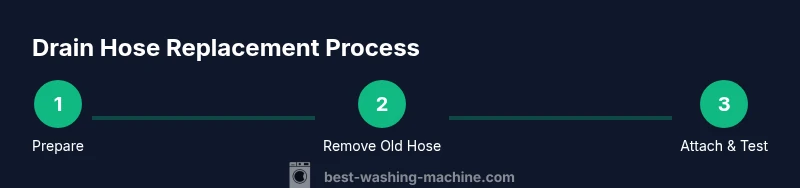
Replacing a drain hose is a straight-forward project, but it benefits from careful planning. Start by validating the replacement size, then disconnecting the old hose with the power off and water supply shut. Attach the new hose to the washer outlet, secure clamps, route it to the standpipe with a gentle bend, then run a short test cycle to verify there are no leaks. If you notice drips, tighten clamps or reseat the hose. This overview helps you visualize the steps before you begin and reduces the chance of surprises during the actual replacement.
Common mistakes and how to avoid them
Common missteps include over-tightening hose clamps, bending the hose at sharp angles, or forcing the hose into a cramped space. Over-tightening clamps can damage the hose wall or the fitting, leading to leaks. Sharp bends restrict water flow and can cause back-pressure. Always route the hose with gentle curves and secure it along the machine’s back or interior panels using zip ties or clips (without crushing the hose).
Another frequent error is neglecting to test for leaks after installation. A quick, controlled test with towels on the floor lets you catch leaks early without flooding the room. If you notice persistent leaks, recheck the connections, clamps, and standpipe height. Finally, never reuse old clamps or hoses if signs of wear appear; new parts give a safer, longer-lasting seal.
Testing, maintenance, and long-term care
After installation, run a short, low-load cycle with the door closed. Inspect all connections for leaks during the first few minutes of operation, then check again after the cycle completes. If there’s no leakage, wipe the floor and allow the area to dry before resuming normal use.
For ongoing care, inspect the drain hose every 6–12 months for cracks, bulges, or loose clamps. Replace any worn components promptly and route hoses away from heat sources or sharp edges. Keeping the hose free of kinks and ensuring clean, clear standpipe alignment will minimize clogs and backflow.
],
toolsMaterialsOptions": null,
stepByStepOptions": null},
toolsMaterials
stepByStep
tipsList
keyTakeaways
videoEmbed
faqSection
mainTopicQuery
Tools & Materials
- New washing machine drain hose(Match inner diameter to your washer outlet and standpipe; commonly 5/8" or 3/4".)
- Hose clamps (new)(Prefer stainless steel for longevity; not all hoses include clamps.)
- Adjustable wrench or pliers(For loosening/tightening fittings without damage.)
- Scissors or utility knife(Trim hose end if necessary to fit length.)
- Measuring tape(Verify hose length and routing path.)
- Bucket or towels(Catch any residual water during removal.)
- Flashlight(Better visibility in tight spaces.)
Steps
Estimated time: 20-35 minutes
- 1
Prepare the workspace and safety checks
Unplug the washing machine and shut off the cold-water supply. Move the machine if needed to access the rear hose and clear space for working. Place towels on the floor to catch drips and have a bucket ready for any standing water.
Tip: Turning off power at the breaker adds an extra layer of safety in case of a stray outlet near the machine. - 2
Disconnect the old drain hose from the washer
Loosen the hose clamp at the washer outlet with a wrench or pliers, then gently pull the hose free from the outlet. Do not yank; apply steady even pressure to avoid damaging the outlet port.
Tip: If the hose is hard to remove, gently wiggle it while pulling to break the seal without cracking the plastic outlet. - 3
Inspect the hose and path
Examine the old hose for cracks, bulges, or stiffness. Check the standpipe or drain you connect to for clogs or residue. Note routing to prevent kinks after replacement.
Tip: Take a photo of the original routing to replicate it accurately with the new hose. - 4
Measure and choose the replacement hose
Measure the hose length from washer outlet to standpipe with space for a gentle bend. Confirm inner diameter matches the old hose. Select a hose made of reinforced material if available.
Tip: If in doubt, choose a hose slightly longer and trim later rather than forcing a shorter one. - 5
Attach the new hose to the washer outlet
Slide the hose onto the washer outlet and secure with a new hose clamp. Tighten evenly but not so tight that you crush the hose wall.
Tip: Use a nut driver or screwdriver to avoid over-tightening; ensure the clamp sits close to the metal outlet for a snug seal. - 6
Route the hose to the standpipe
Run the hose to the standpipe with a smooth, gradual bend. Avoid sharp turns or tight spirals that can trap air or cause backflow.
Tip: If the space is tight, use zip ties to guide the hose and prevent movement during washing cycles. - 7
Secure the connection to the standpipe
Attach the hose to the standpipe end or drain with a clamp. Ensure the connection is level and that the hose sits without kinking in the basin or cabinet.
Tip: Make sure the standpipe trap is clear and that the hose height allows gravity drainage. - 8
Test for leaks and clean up
Plug the washer back in and run a quick rinse cycle with towels ready. Inspect all connections for leaks during and after the cycle. Wipe up any spilled water and re-tighten if needed.
Tip: If you see a slow drip, reseat the hose and re-tighten clamps; repeated minor adjustments prevent larger leaks later.
FAQ
Do I need to unplug the washer before replacing the drain hose?
Yes. Always unplug the washer and, if possible, switch off the circuit breaker before starting. This reduces the risk of electric shock while you work with water connections.
Yes. Unplug the washer and turn off the circuit breaker before you begin to replace the drain hose to stay safe.
What diameter is a typical drain hose, and how do I know which size to buy?
Most drain hoses use a standard inner diameter around 5/8 inch (16 mm) or 3/4 inch (19 mm). Measure the existing hose or check the washer model’s manual to confirm. If in doubt, bring the old hose to the store to match.
Most hoses are about 5/8 or 3/4 inch in diameter. Measure the old hose or consult the manual to be sure before buying a replacement.
Can I reuse the clamps that came with the washer?
It’s best to use new hose clamps when replacing the hose. Worn or corroded clamps may fail and cause leaks, whereas new clamps provide a tighter, more reliable seal.
Usually, you should replace the clamps with new ones for a secure seal.
What should I do if I still see leaks after replacement?
Turn off power and water, recheck connections, reseat the hose, and tighten clamps. If leaks persist, inspect for cracks in the hose and consider replacing the entire hose assembly.
If leaks persist after replacement, recheck fittings and ensure the hose ends are not damaged.
How can I tell if my drain hose needs replacement?
Look for visible cracks, bulges, stiffness, and signs of mold or leaks near the hose ends. If any wear is detected, replace the hose to prevent future leaks.
If you see cracks or bulges, or if it’s hard to bend, replace the hose to avoid leaks.
Is a longer hose better for drainage?
A hose should be long enough to reach the standpipe with a gentle bend but not so long that it loops or traps air. Avoid excessive length that can cause sagging or backflow.
Length matters—enough to reach the standpipe with a gentle bend but not so long it loops.
Watch Video
The Essentials
- Prepare safely: unplug and shut water off before touching the washer
- Choose a hose with the correct diameter and adequate length
- Secure clamps and route hose with gentle bends to prevent kinks
- Test for leaks immediately and after the cycle to confirm a tight seal