Shut Off Valve Washing Machine: A Practical Guide
Learn how to locate, operate, and maintain the shut off valve for your washing machine to prevent floods, leaks, and water damage. This guide covers valve types, safety steps, testing, and troubleshooting for homeowners.


Learn how to locate and shut off the washing machine’s water supply safely, test the valve for leaks, and perform basic maintenance to prevent floods. This guide covers common valve types, when to replace them, and practical safety steps. By following these steps, homeowners can isolate water quickly and confidently in minutes.
Why the shut off valve washing machine matters
A shut off valve on the washing machine is your first line of defense against water damage. When hoses fail, fittings leak, or you are performing maintenance, quickly isolating the supply can stop floods before they start. According to Best Washing Machine, understanding this valve helps homeowners, renters, and property managers protect floors, walls, and cabinetry. In many homes the valve is a simple, durable device that lets you stop water without turning off the entire house. A little proactive care—checking for corrosion, leaks, and proper seating—goes a long way toward preventing costly repairs. Remember: even a small drip at the valve can turn into a significant leak if left unattended. By learning to shut off the valve, you gain control and peace of mind, especially if you have children, pets, or an aging home. Best Washing Machine’s guidance emphasizes safe handling and regular inspection as part of a maintenance routine.
Where to find the shut off valve on a washing machine
Most homes install separate shut-off valves for hot and cold water lines that feed the washer. These valves are typically located behind the appliance, near the wall, where supply hoses connect to the faucet valves. In some setups the valves are mounted in the wall or under a utility sink. The valve handles might be lever-style or wheel-style. To identify them, look for small metal or plastic valves with a handwheel or a small knob on each supply line. If you cannot locate them, check the home's main water shut-off location or consult the home's plumbing diagram. Always exercise care when reaching behind the washer, as space can be tight and pipes may be hot or damp.
Types of shut-off valves commonly used for washers
There are a few common valve types you might encounter on a laundry setup. Ball valves use a quarter-turn action and are prized for reliability and speed. Globe valves use a knob or wheel and offer fine control, but can be slower to operate. Compression valves rely on a tight ring and nut to seal against the pipe; they’re common in older homes. When choosing a valve, consider accessibility, space around the hoses, and compatibility with standard supply lines. Best Washing Machine recommends matching the valve type to your space and ability to confidently operate it during an emergency or routine maintenance.
How to test the valve safely
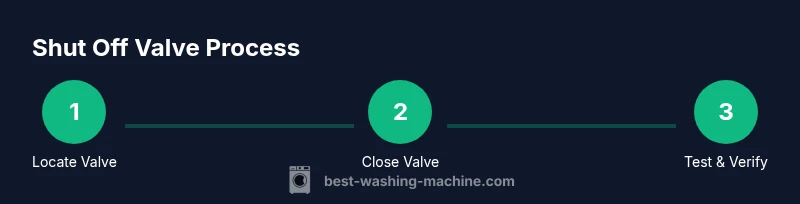
Before you touch the valve, unplug the washer and wear protective gloves if available. Close the valve by turning the handle clockwise (or, for a lever, rotate 90 degrees so it sits perpendicular to the pipe) until resistance is felt. Slowly turn the water back on or open the main supply to test for leaks at the connections. If you see drips, tighten fittings carefully—do not over-tighten, as that can damage threads. If leaks persist, stop and call a licensed plumber. This test helps verify a clean seal and ensures you can trust the valve during a flood risk.
Pro tip: keep towels or a small bucket handy during testing to catch any residual moisture. If your valve is older or corroded, plan for replacement rather than forcing it to move.
Maintenance and common failure modes
Shut off valves are simple devices, but they are not immune to wear. Common failure modes include stiffness from corrosion, worn seals, and loose compression fittings at the pipe joint. Regular exercise—opening and closing the valve periodically—helps prevent seizing and ensures a quick response in an emergency. Visual checks for rust, mineral buildup, or moisture around the nut indicate an impending failure and warrant replacement. If you notice discoloration, a persistent drip, or a crack in the handle, replace the valve promptly to minimize risk. Regular maintenance also reduces the chance of accidental leaks when you detach hoses for cleaning or replacement.
Quick-start troubleshooting flow for homeowners
Start with basic checks: ensure the valve is in good position, hoses are connected properly, and no kinks exist. If you detect a leak after tightening, assess whether the seal or connection needs replacement. When in doubt, replace the valve or call a professional. A simple decision tree helps you stay calm: (1) Is the valve accessible? (2) Can you shut it off and seal leaks? (3) Is replacement required? Following a clear sequence minimizes water damage and speeds up repairs.
Tools & Materials
- Adjustable wrench(To loosen compression nuts on valve connections)
- Channel-lock pliers(Grip the valve stem and fittings securely)
- Bucket or towels(Contain water when hoses loosen)
- Teflon tape (PTFE)(Optional sealant for threaded connections)
- Flashlight(Inspect dark corners behind the washer)
- Replacement shut-off valve(If valve is corroded, replace with a compatible type)
- Gloves(Protect hands during handling)
- Rags or cloths(Wipe up spills and drips)
Steps
Estimated time: 30-45 minutes
- 1
Identify valve location
Carefully inspect behind the washer to locate hot and cold supply valves. Confirm whether each line has its own shut-off handle or if a single valve controls both lines. Take a photo for reference before disconnecting anything.
Tip: Use a flashlight and move slowly to avoid hitting pipes; labeling each valve helps when reconnecting. - 2
Shut off the water supply
Turn the valve handle clockwise (or rotate the lever 90 degrees to a closed position) until it can’t be moved further. If the handle is stiff, do not force it; signals may indicate corrosion or a failed seal.
Tip: If you have a combined valve and find it hard to turn, consider using penetrating oil and allow it to sit for a few minutes before retrying. - 3
Prepare for hose removal
Place a bucket or towels under the valve area to catch any residual water. Unplug the washer from the nearby outlet if accessible, and gently pull the hoses away from the valve to relieve pressure.
Tip: Keep the water connections aligned with their labels to avoid cross-connecting hot and cold lines. - 4
Disconnect supply hoses
Using the adjustable wrench, loosen the compression nuts on each supply hose and carefully detach them from the valve or fittings. Have a rag ready to wipe away moisture and prevent slipping.
Tip: Do not twist hoses aggressively; twisting can damage the fittings and cause leaks when reconnected. - 5
Inspect valve and hoses
Check the valve body for corrosion, leaks, or signs of wear. Inspect hose connectors for cracks or fraying. If you notice damage, replace both hoses and the valve to maintain a safe seal.
Tip: If resealing threads, apply PTFE tape in the direction of the thread to improve sealing on reattachment. - 6
Reconnect and test
Reconnect hoses to the valve or fittings, hand-tighten, then snug with a wrench. Slowly reintroduce water at the main or the valve and look for leaks at every connection. Run a short test load and inspect again for leaks.
Tip: Do not rush the test; a steady, staged approach reduces the risk of unnoticed leaks.
FAQ
What is a shut-off valve for a washing machine?
A shut-off valve controls the water supply to the washing machine, allowing you to stop water flow quickly in case of leaks or during maintenance.
A shut-off valve is what you turn to stop water going to the washer when you need to fix hoses or prevent leaks.
How do I know if my valve is stuck?
If the handle won’t turn or turns with excessive effort, the valve may be stuck due to corrosion or sediment buildup. Do not force it; seek professional help.
If the handle won’t move or feels very stiff, don’t force it—this could indicate corrosion or a damaged valve.
Can I run the washer with the valve closed?
No. Keeping the valve closed prevents water from entering the washer and may damage internal components or cause cycles to fail.
No, you should not run the washer with the valve closed; the machine needs water to operate.
What should I do if there is a leak after reconnecting hoses?
Tighten fittings gently; if the leak persists, replace the hose or valve as needed and re-test. Persistent leaks warrant a professional inspection.
If you see a leak after reconnecting, tighten the connection slightly and re-test. If it keeps leaking, you may need to replace parts or call a plumber.
Should I replace the valve or call a plumber?
If the valve is corroded, stubborn, or leaks after reseating, replacement is usually the safest option. For complex piping or hard-to-reach valves, hire a licensed plumber.
If the valve looks corroded or keeps leaking after trying to fix it, replacement is best. For tricky setups, call a pro.
Are there different valve types I should know about?
Yes. Common types include ball, globe, and compression valves. Each type has pros and cons related to ease of use, space, and durability.
There are ball, globe, and compression valves; choose based on space and how easy you want it to be to shut off.
Watch Video
The Essentials
- Locate and test the valve behind the washer to prevent floods.
- Shut off the water using the correct valve type without forcing.
- Inspect hoses and fittings during every maintenance session.
- Document valve locations for fast action in emergencies.
- If leaks persist after reseating connections, replace the valve.