Washing Machine Hose Repair Guide
Learn how to safely inspect, replace, and secure washing machine inlet hoses to prevent leaks. This guide covers when to repair vs replace, tools needed, and a clear step-by-step process for homeowners and renters alike.


By the end of this guide, you will be able to inspect a leaking hose, tighten or replace fittings, and install a new water inlet hose safely. You’ll learn how to identify wear, choose the correct hose size and type, and prevent future leaks with proper routing and clamps. This quick answer previews the steps you’ll perform in detail.
Why hose repair matters
Water hose integrity is a small detail with big consequences. A loose or cracked water inlet hose can drip, spray, or burst during a wash cycle, leading to flood damage, mold growth, and costly repairs. According to Best Washing Machine, hose failures are among the most common causes of water leaks in laundry areas, especially in homes with older units. Regular inspection of hoses, connections, and clamps is a simple, proactive habit that protects floors, cabinetry, and the machine itself. In this block you’ll learn how hoses fail, what to look for during a quick visual check, and what a repair-or-replace decision entails. By understanding the anatomy—valve side fittings, hose length, clamps, and the hose material—you’ll be better prepared to choose the right solution and avoid next-cycle surprises. The aim is to empower homeowners, renters, and professional technicians with a safe, repeatable approach. Best Washing Machine’s analysis stresses that routine maintenance beats emergency fixes, so a little planning now saves a lot of trouble later.
Safety first: shutoff valves, power, and water source
Safety is the first step in any hose repair. Before you touch any components, unplug the washer and shut off both the hot and cold supply valves. If your setup uses a main valve, turn it off and drain residual water from the hoses into a basin or towel. Wear gloves and eye protection, and work on a dry surface to avoid slips. This guidance aligns with standard best practices for appliance maintenance and aligns with how the Best Washing Machine team approaches safe repairs. Taking these precautions protects you, your flooring, and the machine from electrical and water hazards. After fluids have stopped leaking, you’re ready to inspect for wear, cracks, or loose clamps.
Diagnosing common hose issues
Leaking hoses usually show visible signs: seepage near fittings, cracks along the hose body, bulges, or soft spots that feel spongy. Frequent culprits include aging hose material, overtightened clamps that damage the hose, and loose fittings at the valve or washer inlet. A simple visual inspection can reveal most problems, but you may also run a soapy-water leak test around connections to confirm any ongoing drips. According to Best Washing Machine analysis, most leaks originate at connection points or from worn hose material, so focus your inspection on those areas. If you detect only a minor crack near the end, replacement is typically safer than repairing a compromised section. Always replace hoses that show bulges or cracking rather than patching them.
Tools and parts you’ll need (quick overview)
Set aside a dedicated tool kit for appliance work: adjustable wrench, needle-nose pliers, flat and Phillips screwdrivers, a bucket or towel, and a replacement inlet hose kit with clamps. Keep Teflon tape handy if you encounter threaded fittings. It’s also wise to have a rag and mild cleaning solution to wipe away residue and dry the connections before reassembly. While the Tools/Materials list is provided separately, this high-level overview helps you plan for the repair without scrambling mid-task. The aim is to minimize downtime and ensure leak-free performance after the repair. Best Washing Machine emphasizes preparing your workspace reduces mistakes and makes the job safer and faster.
Replacement options: repair vs replace hoses
In many cases, replacing the hose is the simplest, most reliable option, especially for older machines or hoses showing wear. If the fittings are corroded or the hose shows significant cracking, replacement is advisable. Repairing a hose—such as patching a minor crack—can be a temporary workaround but is not a long-term solution when the hose is close to failure. Consider replacing both inlet hoses at the same time if your washer is older or if you notice wear on one side; this reduces future maintenance interrupts. When selecting a replacement, choose braided steel hoses or high-quality rubber hoses with corrosion-resistant fittings. This approach minimizes the chances of future leaks and extends the life of your appliance.
Installation steps overview
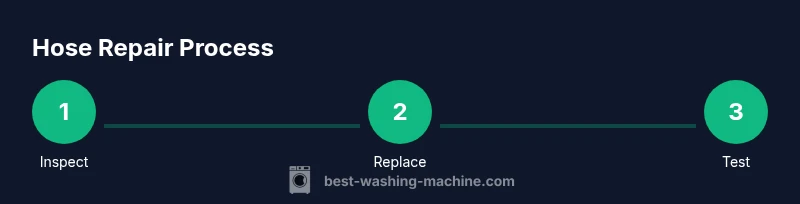
After you’ve gathered the right parts, the installation follows a clear sequence: disconnect power and water, remove the old hoses, install new hoses with correct orientation, tighten clamps to snug but not overtighten, and run a test cycle without laundry. The goal is a secure seal at both the valve and washer inlet without pinching the hose. If you encounter resistance on the threads, back off and check that you’re using the correct hose size. A careful, methodical approach reduces the risk of cross-threading or leaks.
Maintenance to prevent future leaks
Regular maintenance is the best defense against leaks. Inspect hose connections every six to twelve months, replace aging hoses every several years (or sooner if you notice wear), and use high-quality clamps that fit snugly. When moving or cleaning behind the washer, take a quick inventory of the hoses and fittings. A small visual check can catch issues before they become emergencies. The Best Washing Machine team recommends documenting the hose replacement date and keeping spare clamps on hand for quick future repairs.
Real-world case studies and cost considerations
Real homeowners often face hose leaks after a long period of use, particularly when hoses were not replaced at recommended intervals. In practice, many leaks stem from clamps loosening over time or hose ends drying out from heat exposure. While costs vary by hose type and labor, a DIY hose replacement is typically more affordable than a full appliance service call. If you’re ever uncertain about the proper hose type or installation method, consult a professional to avoid water damage and warranty concerns. The goal is to prevent repeat failures by choosing the right hose and correct installation method.
Tools & Materials
- New washing machine inlet hoses ( braided steel preferred )(Ensure hoses are rated for the correct water pressure and have integrated clamps)
- Adjustable wrench(One for valve fittings, one spare if needed)
- Bucket or shallow basin(Catch residual water during hose removal)
- Towels or rags(Absorb drips and protect the floor)
- Screwdriver set (flat and Phillips)(For clamps and cover plates if present)
- Needle-nose pliers(Useful for clamps or hose clips in tight spaces)
- Teflon tape (optional for threaded fittings)(Helps seal metal threads on some valve connections)
- Replacement hose clamps(Use stainless steel clamps for durability)
- Shop rag or microfiber cloth(Dry surfaces before reconnecting)
Steps
Estimated time: 45-75 minutes
- 1
Power down and unplug
Unplug the washer from the wall outlet to remove the risk of electric shock. If your washer is hardwired, switch off the dedicated circuit at the breaker or disconnect the plug at the outlet before starting. This makes it safe to handle water connections and reduces slip hazards from wet floors.
Tip: If you can’t reach the plug easily, move furniture away first and have a second person assist with the power cord. - 2
Shut off water supply and prep
Close both hot and cold supply valves and disconnect the hoses from the valves. Place towels around the washer and under the valves to catch any remaining drips. Have a bucket ready if you prefer to drain any residual water directly from the hoses.
Tip: Turn valves gently to avoid sudden water bursts; never twist hoses while detached. - 3
Disconnect the old hose
Loosen and remove the hose from the valve and the washer inlet. Label which hose goes where if you’re replacing both, and wipe down the connections to see if there’s visible corrosion or residue.
Tip: Keep one hand on the hose during removal to prevent it from snapping back and causing splashes. - 4
Inspect and measure
Compare old hose length, diameter, and thread type to the new hose. If the old hose has bulges, cracks, or soft spots, replace it. Note the hose type—braided steel hoses are typically more durable than plain rubber hoses.
Tip: Take the old hose with you to the hardware store to ensure you match the correct size and fittings. - 5
Install new hose and secure clamps
Attach the new hoses to the valve and washer inlet. Hand-tighten first, then snug with a wrench. Fit the clamps over the hose ends and tighten them securely without over-tightening, which can crush the hose.
Tip: Avoid overtightening; it can damage the hose or valve threads and create leaks. - 6
Test for leaks and run a cycle
Reconnect power, start a short wash cycle with no laundry, and watch the hose connections closely for several minutes. If you see leaks, tighten clamps a touch more or re-seat the hose ends. Use a towel during the test to catch any drips.
Tip: Keep monitoring for the first 5-10 minutes of the cycle; don’t leave the machine unattended if leaks appear.
FAQ
What are the most common signs that a washer hose needs repair?
Common signs include visible leaks at fittings, bulging or cracked hose walls, and dampness around the hose or valve. If you notice sudden water spraying during a cycle, inspect connections first. Persistent dampness or bulges indicate replacement is the safer option.
Look for leaks at the ends, bulges, or damp spots around the hoses. If you see any bulges or cracks, replace the hose.
Can I fix a hose leak, or should I replace the whole assembly?
Minor leaks at clamps can sometimes be fixed by tightening or reseating the hose ends. However, if the hose itself shows cracking, bulging, or wear, replacement is the safer long-term choice. Replacing both hoses at once often saves time in the future.
Tighten if it’s just a clamp, but if the hose shows wear or cracks, replace it.
What type of replacement hose should I buy?
Choose a braided steel inlet hose or a high-quality rubber hose with corrosion-resistant fittings. Ensure the hose has the correct connector size for your machine and water supply valves. Consider hoses with quick-connect fittings if your washer supports them.
Pick braided steel hoses with the right size fittings for your washer valve.
Is it safe to run the washer after replacing hoses?
Yes, but only after you’ve double-checked all connections, tightened clamps appropriately, and performed a leak test with no clothes in the machine. Start with a short cycle and monitor for leaks for several minutes.
Yes, after checking connections and testing for leaks with no clothes in the washer.
How long does a hose repair typically take?
A DIY hose replacement usually takes under an hour if you have the right tools and parts. If you’re uncertain about fittings or valve compatibility, budget a little extra time to avoid rushing the job.
Most DIY hose replacements take under an hour when you have the right parts.
Watch Video
The Essentials
- Inspect hoses regularly to prevent leaks
- Choose durable hose materials and proper clamps
- Follow safe shutoff and power-down procedures
- Test leaks thoroughly after replacement
- Consider replacing both hoses for older machines